When the Front Seat Was a Sofa on Wheels
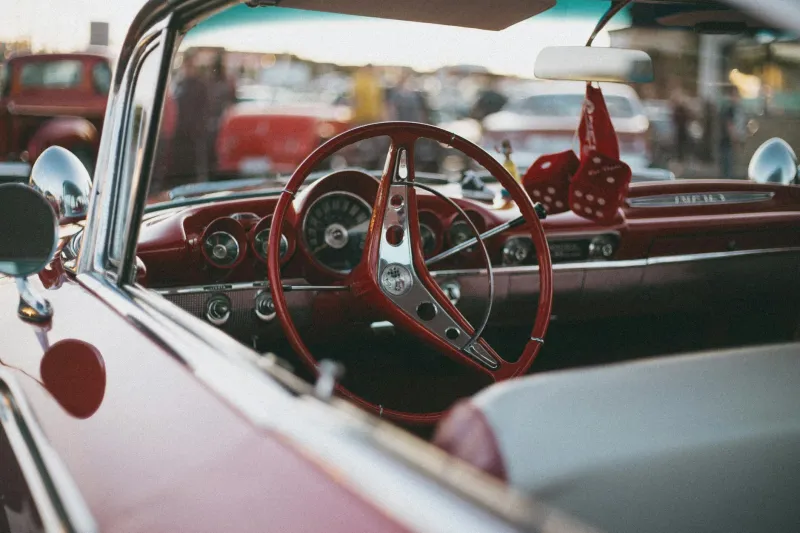
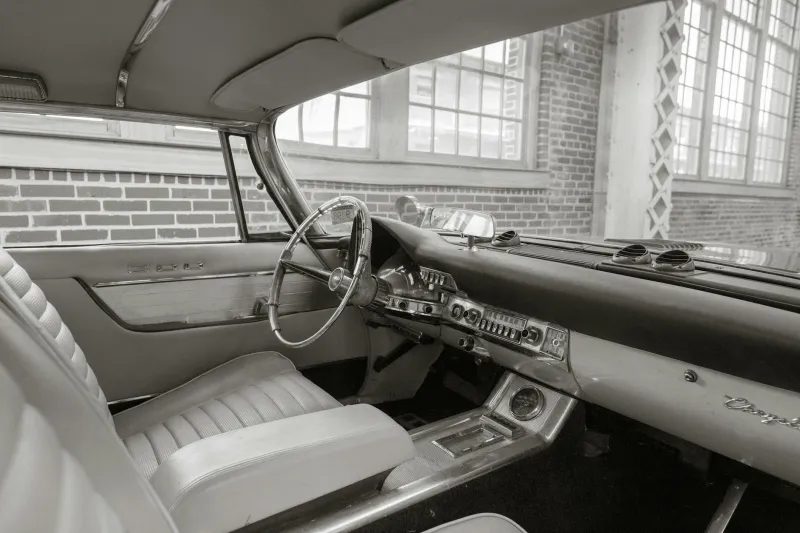
Picture this: it's 1967, and you're sliding across the wide vinyl expanse of a Chevrolet Impala's front seat to make room for your date. No center console divides you. No individual armrests claim territory. Just one continuous bench stretching from door to door, wide enough for three people to sit comfortably—or two people to sit very close.
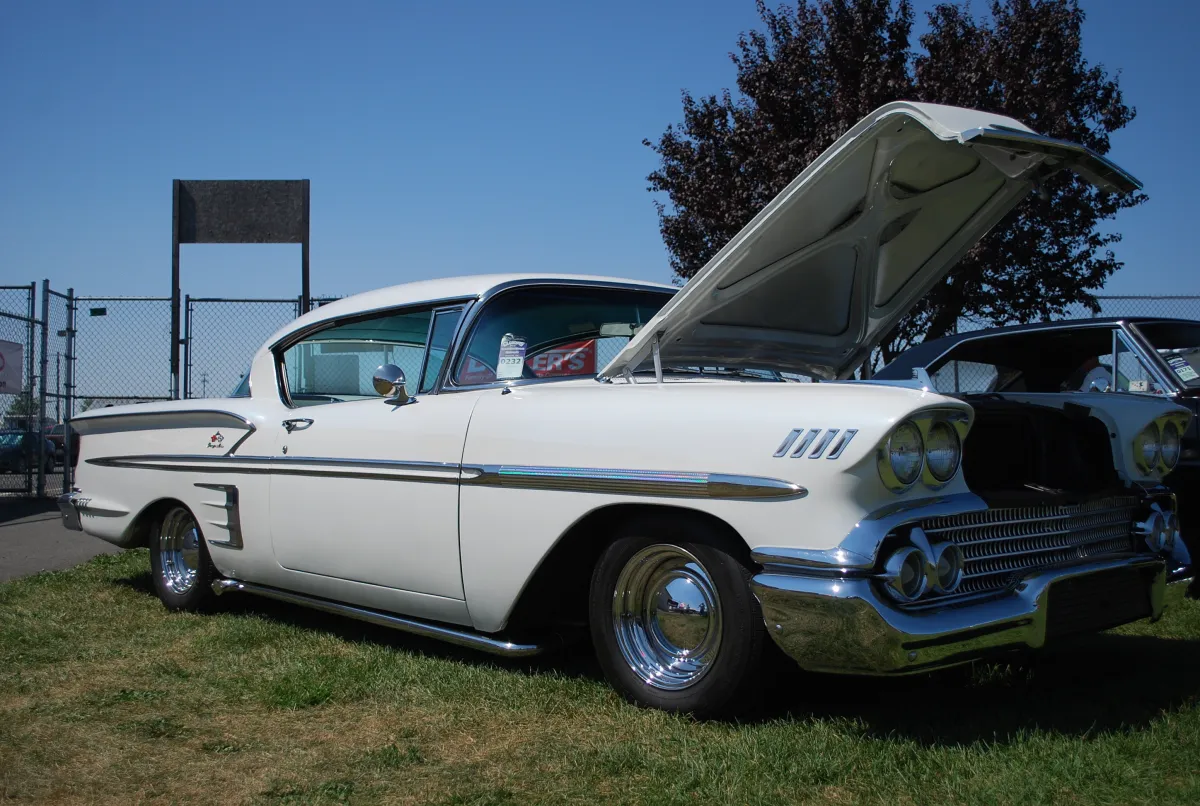 Photo: Chevrolet Impala, via www.classicnation.com
This was the golden age of the bench seat, when the front of an American car resembled a living room more than a cockpit. Families piled in together, with kids sitting between parents on long road trips. Couples shared the front seat like a couch, and nobody thought twice about it because that's simply how cars were designed.
The bench seat wasn't just furniture—it was a social statement. It declared that cars were meant for togetherness, that the journey mattered as much as the destination, and that sometimes the best part of driving was having someone close enough to hold hands with.
The Democracy of Shared Space
Bench seats were inherently democratic. Unlike today's bucket seats with their rigid boundaries and personal territories, the bench seat was communal space. The person in the middle might not have the best view, but they were part of the conversation, included in the experience.
Families loved bench seats because they kept everyone together. Dad could drive, Mom could navigate, and little Susie could sit between them, watching the road ahead and feeling like part of the team. There was no "kids in the back" exile—the front seat belonged to the whole family.
For couples, the bench seat was romance on wheels. Saturday night dates began with sliding across that vinyl expanse to sit close to your boyfriend, his arm around your shoulders as he drove one-handed down Main Street. The gear shifter might be on the column or the floor, but it never created a barrier between two people who wanted to be close.
When Comfort Meant Something Different
The bench seat era operated on a different definition of comfort. Comfort wasn't about lumbar support or heating elements or massage functions—it was about flexibility and connection. You could stretch out across the entire seat during a long highway drive. You could slide over to get closer to someone you cared about. You could fit three people when you needed to.
Sure, the bench seat wasn't ergonomically perfect. The cushions were flat, the backs were straight, and there was no adjustability beyond moving the whole seat forward or backward. But bench seats offered something modern bucket seats can't: the ability to share space spontaneously.
When your friend needed a ride, you didn't worry about whether you had enough individual seats. You just made room on the bench. When you wanted to sit close to someone special, you didn't have to reach across a console—you simply slid over.
The European Invasion of Individual Space
The beginning of the end came in the 1960s, when European sports cars began influencing American design philosophy. Cars like the Porsche 911 and Jaguar E-Type featured bucket seats that wrapped around the driver like a racing cockpit, emphasizing individual control and athletic positioning.
American manufacturers, eager to capture some of that European sportiness, began offering bucket seat options in their performance models. The 1965 Ford Mustang popularized the concept for mainstream buyers, presenting bucket seats as a premium upgrade that made you feel like a race car driver rather than a family chauffeur.
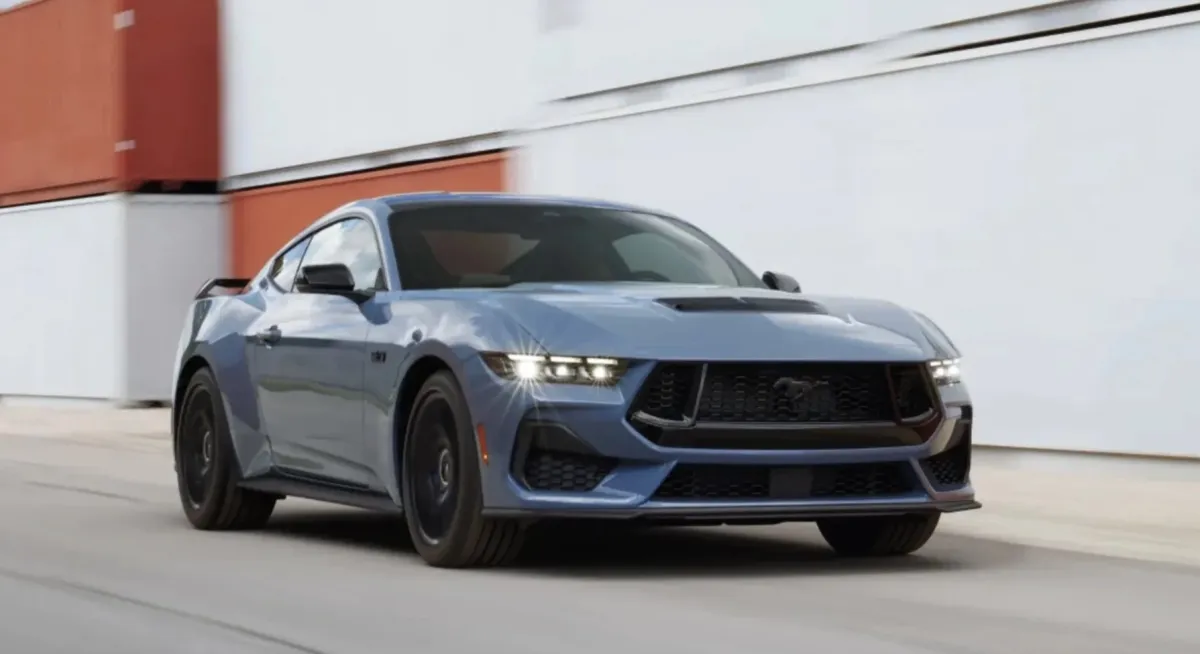 Photo: Ford Mustang, via newfordmodel.net
Initially, bucket seats were just an option—a way to make ordinary cars feel more special. But they represented a fundamental shift in automotive philosophy, from cars as social spaces to cars as personal performance machines.
When Safety Killed Spontaneity
The real death blow to bench seats came from an unexpected source: safety regulations. As crash testing became more sophisticated and seatbelt laws more common, the three-person front bench seat became a liability. Where do you put three seatbelts on a two-door car? How do you protect the middle passenger in a side-impact crash?
The solution was to eliminate the problem. By the 1980s, most front benches had been replaced by bucket seats with a center console, reducing front seat capacity from three to two but dramatically improving safety and regulatory compliance.
Airbags accelerated the trend. Designing airbag systems for bucket seats was straightforward—one bag for each occupant, positioned for optimal protection. Designing airbags for bench seats was a nightmare of competing requirements and compromised solutions.
The Rise of the Command Center
As bucket seats conquered American cars, they brought with them an entirely new philosophy of automotive interior design. The space between the seats, once empty air that allowed people to move closer together, became prime real estate for controls, storage, and technology.
Center consoles grew taller and more complex, housing everything from cup holders to climate controls to infotainment systems. The modern car interior began resembling a starship bridge more than a living room, with each occupant isolated in their own ergonomically optimized pod.
Today's luxury cars take this trend to its logical extreme. Seats adjust in dozens of ways, offer heating, cooling, and massage functions, and remember your preferences electronically. They're marvels of engineering that provide unprecedented comfort and support—as long as you're sitting alone.
What We Gained and Lost
It's important to acknowledge what we gained with bucket seats. Modern car seats are safer, more comfortable for long drives, and better suited to the performance capabilities of contemporary vehicles. The driving position in a modern car is optimized for control and visibility in ways that bench seats never could match.
But we also lost something irreplaceable: the ability to share space spontaneously. Modern cars are designed for individuals, not relationships. The center console that houses your smartphone charger and coffee cup also serves as a Berlin Wall between front seat occupants.
The three-person front seat disappeared not because it was unsafe—properly designed three-point belts could protect bench seat occupants just fine—but because we stopped valuing the kind of togetherness it enabled.
The Culture of Separation
The death of the bench seat reflected broader cultural changes in how Americans thought about personal space and individual autonomy. The same decades that saw bucket seats replace benches also saw the rise of personal computers, individual retirement accounts, and the general privatization of experiences that had once been communal.
We traded the democracy of shared space for the sovereignty of personal territory. Every family member got their own seat, their own controls, their own space—and in the process, we lost some of the natural opportunities for connection that bench seats provided.
The Bench Seat's Last Stand
Bench seats didn't disappear entirely—they retreated to pickup trucks and work vehicles, where utility still trumped individual comfort. But even there, they're vanishing as trucks become luxury vehicles rather than work tools.
Today, finding a new car with a front bench seat is nearly impossible. The 2024 Chevrolet Silverado offers one in certain configurations, making it an endangered species in the automotive world.
When Cars Were Living Rooms
The bench seat era represents a time when cars were designed as extensions of our homes rather than personal performance machines. They prioritized togetherness over individual optimization, flexibility over specialization, and human connection over ergonomic perfection.
We can't go back—modern safety standards and performance expectations make bench seats impractical for most applications. But we can remember what we lost when cars stopped being shared spaces and became collections of individual pods.
Somewhere in America, there's still a 1967 Impala with its original bench seat, wide enough for three and built for togetherness. It's a reminder of when cars brought people closer together instead of building walls between them, when the front seat was democracy on wheels, and when the journey really was better when shared.