When Car Crashes Were Settled on Your Front Lawn: America's Journey From Handshake Deals to Mandatory Coverage
In 1950, if you rear-ended someone at a stop sign in suburban Cleveland, the conversation that followed was refreshingly simple. Both drivers would pull over, assess the damage, and more often than not, the at-fault party would reach for their wallet. A twenty-dollar bill might change hands, both parties would shake on it, and everyone would drive away. No police reports, no insurance adjusters, no months of phone calls with claims representatives.
This wasn't because people were more honest back then—it's because most drivers simply didn't have car insurance at all.
The Luxury Years: When Insurance Was Optional
In the immediate postwar era, auto insurance was considered something of a luxury item. Only about 35% of American drivers carried any form of liability coverage, and comprehensive policies were reserved for the wealthy. The average working family viewed car insurance the same way they might view a country club membership—nice to have, but hardly essential.
This approach worked reasonably well when cars were slower, roads were less crowded, and medical bills were a fraction of today's costs. A typical fender-bender might result in $50 worth of damage, easily covered by most drivers without breaking the bank. Even more serious accidents rarely produced the six-figure medical bills that are common today.
The social contract was different too. Communities were tighter-knit, and your reputation mattered more than legal protection. If you caused an accident and didn't make things right, word would spread through your neighborhood, church, or workplace. Social pressure often proved more effective than any insurance policy.
The Turning Point: Speed, Steel, and Sprawl
Everything began changing in the 1960s. Cars got faster and heavier, highways expanded dramatically, and suburban sprawl put more vehicles on the road than ever before. What had been manageable risks in 1950 became potentially catastrophic liabilities by 1965.
The introduction of interstate highways fundamentally altered the stakes. A collision at 25 mph on Main Street was one thing; the same accident at 70 mph on I-95 was something else entirely. Medical technology was advancing too, keeping people alive after accidents that would have been fatal decades earlier—but at enormous cost.
Suddenly, a single accident could bankrupt a middle-class family. Hospital bills that might have been $200 in 1950 were reaching $20,000 or more by the early 1970s. The old handshake system simply couldn't handle this new reality.
The Legal Revolution: When States Said Enough
Massachusetts fired the first shot in 1927 by becoming the first state to require auto insurance, but it took decades for other states to follow suit. The real wave came in the 1970s, as state after state concluded that the old system was leaving too many victims without recourse.
By 1975, most states had implemented some form of mandatory insurance requirement. The transformation was swift and dramatic. Within a single generation, what had been optional became legally required, and what had been a luxury became a basic cost of car ownership.
The change wasn't just legal—it was cultural. Americans began thinking about driving in terms of risk management rather than simple transportation. The carefree attitude of the 1950s, when you could buy a car and hit the road with nothing more than a driver's license, was gone forever.
The Algorithm Era: When Your Car Reports on You
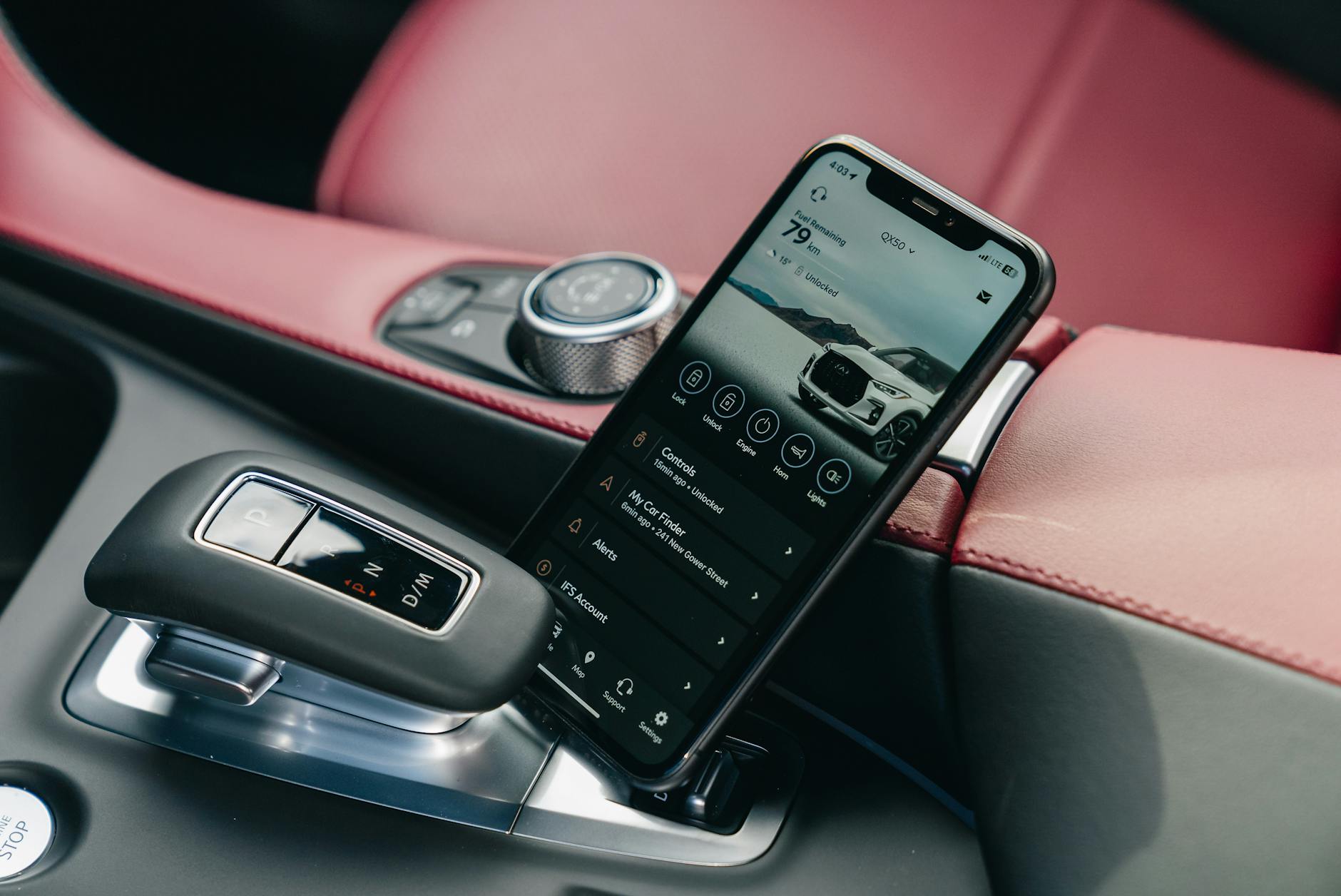
Today's insurance landscape would be completely alien to a driver from the handshake era. Modern policies are priced using hundreds of variables, from your credit score to your shopping habits. Progressive's Snapshot device monitors how hard you brake. State Farm's app tracks your phone usage while driving. Some insurers now offer discounts for drivers willing to install monitoring devices that report everything from speed to acceleration patterns.
What once required a human judgment call—was this driver at fault?—is now determined by algorithms analyzing telematics data, crash reconstruction software, and satellite imagery. The personal relationship between driver and insurer has been replaced by data points and risk models.
The average American now spends more than $1,200 annually on auto insurance, a cost that simply didn't exist for most drivers seventy years ago. Yet despite this expense, the system generally works better than the old handshake method. Accident victims receive compensation more reliably, and the financial risks of driving are distributed across millions of policyholders rather than falling entirely on individuals.
What We Gained and Lost
The evolution from handshake deals to mandatory coverage represents more than just a change in how we handle accidents—it reflects a broader shift in how Americans think about personal responsibility and risk.
We gained reliability and protection. No longer do accident victims depend on the goodwill and financial capacity of whoever hit them. The system is more fair, more predictable, and better able to handle the complex realities of modern driving.
But we lost something too. The old system, for all its flaws, required people to take personal responsibility for their actions in a very immediate way. When you knew you'd have to look someone in the eye and make things right, driving carried a different kind of accountability.
Today's drivers often view insurance as a shield against consequences rather than a safety net for victims. The personal connection between actions and responsibility has been mediated by corporations, algorithms, and legal frameworks.
The handshake era is never coming back, nor should it. But as we navigate an increasingly automated and algorithmic approach to risk management, it's worth remembering that there was once a time when a driver's word and a firm handshake were considered sufficient guarantee that things would be made right.