The Age of Automotive Poetry
Close your eyes and say "Thunderbird." You can almost hear the rumble of thunder, see lightning splitting a dark sky, feel the raw power of nature captured in steel and chrome. Now say "EQS450+." Feel anything? Probably just confusion about what those numbers actually mean.
This wasn't always how we named cars. There was a time when automotive marketing departments employed poets instead of spreadsheet analysts, when car names could make a teenager's heart race just by reading them in a magazine ad.
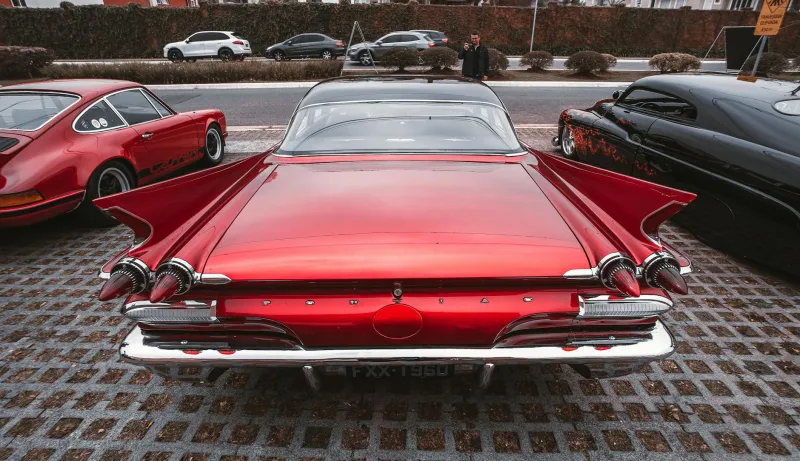
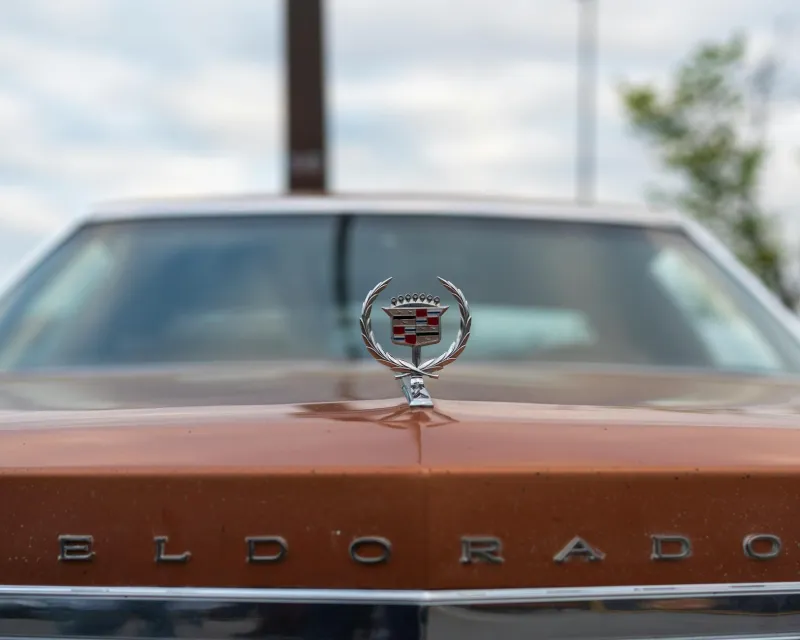
The 1950s and 60s were the golden age of automotive nomenclature. Ford didn't just build cars—they built dreams with names like Galaxie, Fairlane, and Thunderbird. Chevrolet offered the Bel Air, Impala, and Corvette. Cadillac promised luxury with the Eldorado, while Plymouth suggested adventure with the Barracuda.
These weren't just names—they were invitations to imagine yourself somewhere else, someone else. A Mustang wasn't transportation; it was freedom running wild across the American plains. A Skylark wasn't a sedan; it was soaring above the mundane concerns of earthbound life.
The Marketing Magic of Meaning
Behind every great car name was a story carefully crafted to connect with human emotions. The Mustang evoked the untamed American West. The Corvette borrowed prestige from naval warships. The Thunderbird captured the mythology of Native American legends mixed with the promise of jet-age speed.
Automakers understood something fundamental about human psychology: we don't just buy products, we buy the stories those products tell about us. Driving a car named Eldorado—Spanish for "the golden one"—made you feel like you'd discovered something precious. Owning a Mustang suggested you were the kind of person who couldn't be corralled by convention.
The names worked because they painted pictures. A Firebird suggested speed and danger. A Cutlass implied precision and elegance. A Grand Prix promised European sophistication and racing heritage. Even economy cars got evocative names—the Beetle, the Rabbit, the Cricket—that made modest transportation feel charming rather than embarrassing.
When Lawyers Killed the Legends
The beginning of the end came in the 1980s, when legal departments began wielding more influence than creative teams. Trademark disputes multiplied as the global automotive market consolidated. Names that had worked perfectly in domestic markets suddenly faced conflicts in international territories.
Meanwhile, focus groups—those creativity-killing committees of average consumers—began dissecting every proposed name for potential negative connotations. Could "Bronco" offend horse lovers? Might "Nova" suggest something that doesn't go? The lawyers said yes to everything, and gradually, the poetry died.
Automakers discovered that alphanumeric designations offered legal simplicity. You can't trademark a number, but you also can't get sued for using one. A3, X5, ES350—these combinations belonged to everyone and no one, safe from litigation but also safe from inspiration.
The German Invasion of Logic
The shift toward clinical naming accelerated as German luxury brands gained market dominance. BMW had always used numbers—the 2002, the 320i, the 733i—but their system made sense within their own logic. The first number indicated series size, subsequent numbers revealed engine displacement, and letters denoted transmission type.
Mercedes-Benz followed similar principles. Their alphanumeric codes actually communicated information: an S-Class was larger than a C-Class, and a 500 had a bigger engine than a 300. For enthusiasts who understood the code, these designations were precise and meaningful.
American manufacturers, desperate to capture some of that German prestige, began copying the format without understanding the logic. They created alphanumeric soup—CTS, MKZ, XT4—that communicated nothing except a desire to seem European.
The Globalization of Blandness
As car companies became global corporations rather than national institutions, naming became increasingly complicated. A name that tested well in Ohio might be offensive in Taiwan. A word that sounded powerful in English might mean something embarrassing in Spanish.
The solution was to retreat into alphanumeric safety. Numbers and letters translate universally, offend nobody, and work equally well on a billboard in Bangkok or a brochure in Birmingham. But they also inspire nobody.
Consider the modern luxury landscape: instead of competing Eldorados and Continentals, we choose between GLS450s and X7 M50is. The cars themselves are marvels of engineering, but their names suggest they were designed by computers for computers.
What We Lost in Translation
The shift from evocative names to clinical codes represents more than marketing evolution—it reflects how automakers now see their customers. Names like Mustang and Thunderbird assumed buyers had imaginations, dreams, and emotional connections to their vehicles.
Alphanumeric designations assume buyers are rational actors making spreadsheet-driven decisions. They suggest that performance specifications and feature lists matter more than the feeling of possibility that comes with owning something called a "Wildcat" or "Road Runner."
The tragedy is that cars have never been more capable of living up to poetic names. Today's vehicles offer performance and luxury that would have seemed impossible when the Eldorado first rolled off the line. Yet they're saddled with designations that sound like software version numbers.
The Rare Survivors
Not every automaker surrendered to alphanumeric anonymity. Ford kept the Mustang, and its success proves that great names still matter. When they introduced the Bronco in 2021, the response showed Americans still hunger for vehicles with personality rather than just performance metrics.
Tesla proved that new names could capture imaginations just as powerfully as classic ones. Model S, Model X, Model Y—while technically alphanumeric, they suggest a future-forward simplicity rather than Germanic complexity. And names like Cybertruck show that automotive poetry isn't dead, just dormant.
The Dreams We Drive
Ultimately, the death of evocative car names reflects something larger about how we relate to our possessions. We've become a culture that values efficiency over emotion, data over dreams. Our cars are better than ever, but they've lost the ability to stir our souls just by saying their names.
Somewhere in a parallel universe, teenagers still dream about saving up for a Firebird instead of researching the differences between trim levels of an ATS 2.0T. In that world, cars still have the power to inspire just by existing, and every driveway holds not just transportation, but a little bit of poetry made real.