When Highways Were America's Public Square
Drive through any American city in 1992, and you'd witness a rolling conversation about the soul of the nation. "Ross Perot for President" stickers shared traffic lanes with "Visualize Whirled Peas" philosophy and "My Kid Beat Up Your Honor Student" suburban rebellion. Every parking lot was a political rally, every traffic jam a debate forum.
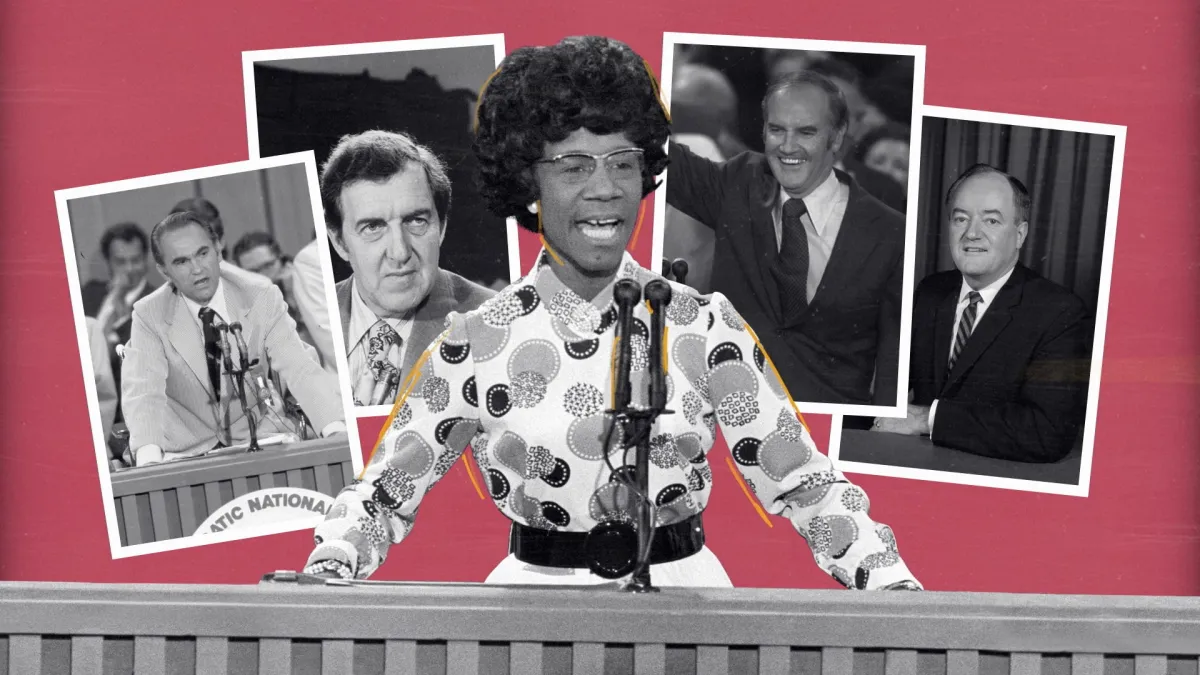 Photo: Ross Perot, via hips.hearstapps.com
The bumper sticker reached its cultural peak during the final decades of the 20th century, when Americans treated their vehicles as mobile billboards for their deepest beliefs. Before Facebook posts and Twitter threads, your car's rear bumper was the most honest thing about you.
The Vietnam War's Sticky Legacy
The modern bumper sticker culture exploded during the Vietnam era, when Americans needed a way to broadcast dissent—or support—while navigating their daily routines. "War Is Not Healthy for Children and Other Living Things" became one of the most recognizable political statements of the 1960s, appearing on an estimated 750,000 vehicles across the country.
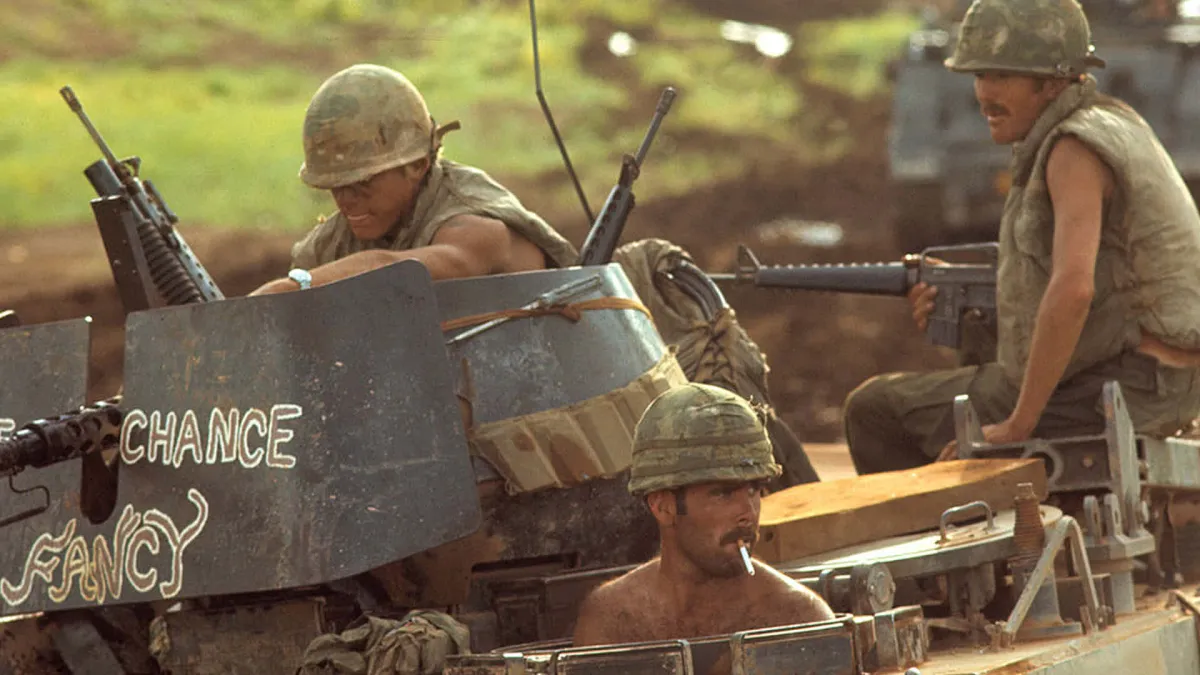 Photo: Vietnam War, via wallpapers.com
Unlike today's targeted social media algorithms, bumper stickers forced Americans to confront opposing viewpoints during routine errands. The conservative businessman stuck behind a VW Bus covered in peace symbols had no choice but to read "Make Love Not War" while waiting for the light to change. Democracy played out at 35 miles per hour.
The Golden Age of Automotive Opinion
By the 1980s and 1990s, bumper sticker culture had evolved into something uniquely American—a blend of political activism, humor, and personal identity that turned every vehicle into a statement. "Reagan Bush '84" competed for space with "Dead Kennedys" band stickers and "Baby on Board" safety warnings.
The variety was staggering. Environmental activists proclaimed "Think Globally, Act Locally" while their neighbors countered with "Earth First! (We'll Strip Mine the Other Planets Later)." Religious declarations like "In Case of Rapture, This Car Will Be Unmanned" shared highways with "Darwin Fish" evolution symbols and "Coexist" tolerance messages.
The Art of Automotive Argument
What made bumper sticker culture particularly powerful was its permanence and public nature. Unlike a heated conversation at a dinner party, your bumper sticker declaration followed you everywhere—to the grocery store, your kid's soccer game, and your workplace parking lot. It required commitment and courage.
The 1992 presidential election represented the format's high-water mark. Ross Perot's campaign distributed over 2 million bumper stickers, while "Clinton/Gore '92" and "Bush/Quayle" stickers turned every parking lot into an informal polling station. Americans could gauge their neighbors' political leanings simply by walking through a shopping center.
When Cars Became Conversation Starters
The bumper sticker's genius lay in its ability to spark real-world interactions between strangers. A "Grateful Dead" skull and roses sticker might lead to a concert recommendation at a gas station. A "Support Our Troops" message could bridge political differences in a supermarket parking lot. These automotive accessories created unexpected moments of human connection.
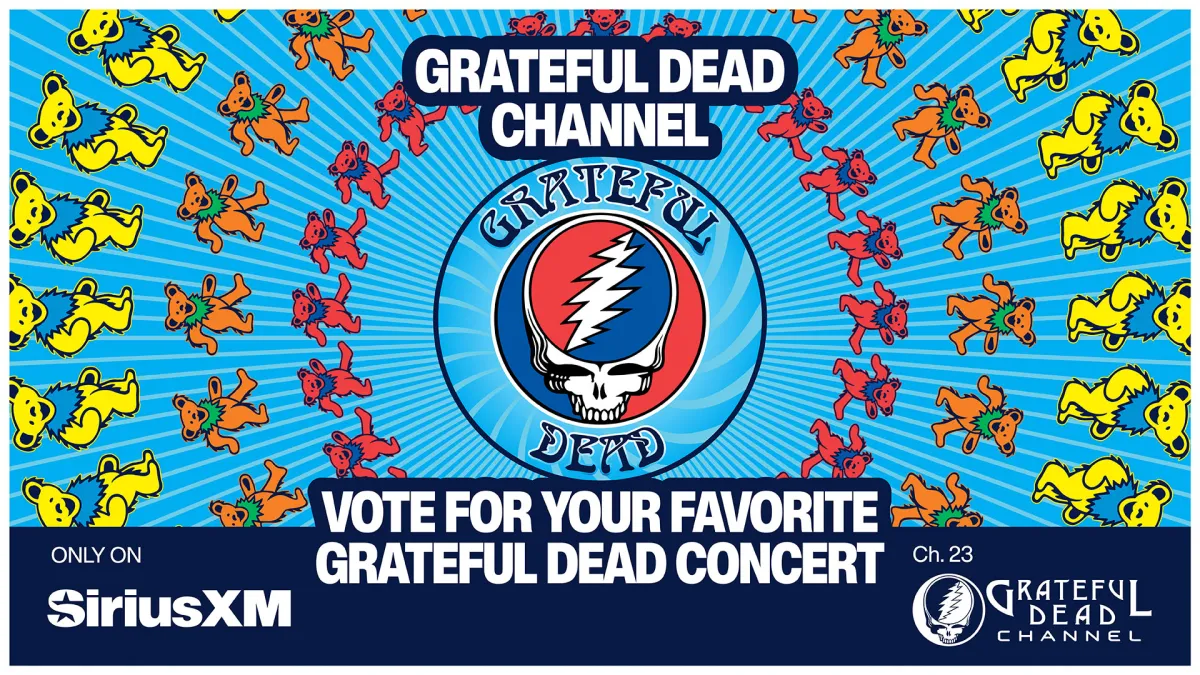 Photo: Grateful Dead, via blog-admin.siriusxm.com
Local businesses thrived on custom bumper sticker orders. Print shops in college towns couldn't keep up with demand for personalized political messages, band promotions, and inside jokes. "My Other Car Is a Porsche" became such a phenomenon that it spawned hundreds of variations, from "My Other Car Is the Millennium Falcon" to "My Other Car Is a Broom."
The Digital Migration
The decline began gradually in the early 2000s, accelerated by several cultural shifts. Social media platforms offered more sophisticated ways to broadcast opinions to targeted audiences. Why risk offending your boss with a controversial bumper sticker when you could share your political views with like-minded Facebook friends?
Smarter car designs also contributed to the decline. Modern vehicles' sleek aerodynamics and complex rear-window defrosters made bumper sticker placement more challenging. Lease agreements often prohibited adhesive decorations, and rising car values made owners hesitant to risk paint damage.
The Silence of Modern Highways
Today's American roads tell a remarkably different story. The average vehicle displays fewer than 0.3 bumper stickers, compared to 2.1 per car in 1995. Political bumper stickers have become particularly rare, appearing on less than 8% of vehicles during recent election cycles.
What replaced this automotive discourse? Digital echo chambers where Americans share opinions with people who already agree with them. The messy, uncomfortable democracy of the bumper sticker—where opposing viewpoints shared the same highway—gave way to algorithm-curated feeds that reinforce existing beliefs.
What We Lost When Cars Went Silent
The death of bumper sticker culture represents more than changing technology—it's the loss of a uniquely American form of public discourse. Those vinyl declarations forced citizens to encounter diverse viewpoints during routine activities, creating unexpected moments of reflection, irritation, and occasionally, understanding.
Modern social media allows us to broadcast our opinions more efficiently and to larger audiences, but it lacks the bumper sticker's democratic randomness. Your Facebook post reaches friends and followers who chose to connect with you. Your bumper sticker reached anyone stuck behind you in traffic, creating unfiltered exposure to the full spectrum of American thought.
The highways that once served as rolling forums for national debate now carry their cargo in relative silence, leaving Americans more connected to distant networks but increasingly isolated from the strangers sharing their daily commute.