When Minimum Wage Meant Maximum Independence
In 1979, a 16-year-old working the grill at McDonald's for $2.90 an hour could buy a decent used car after just 10 weeks of full-time summer work. That same teenager today, earning $15 an hour at the same job, would need to work nearly two full years to afford the average used vehicle.
The ritual was simple and almost universal: graduate from high school, work a summer job, save every penny, and drive to your senior year in your own car. It wasn't glamorous transportation—maybe a beat-up Camaro with rust spots or a hand-me-down station wagon—but it was yours.
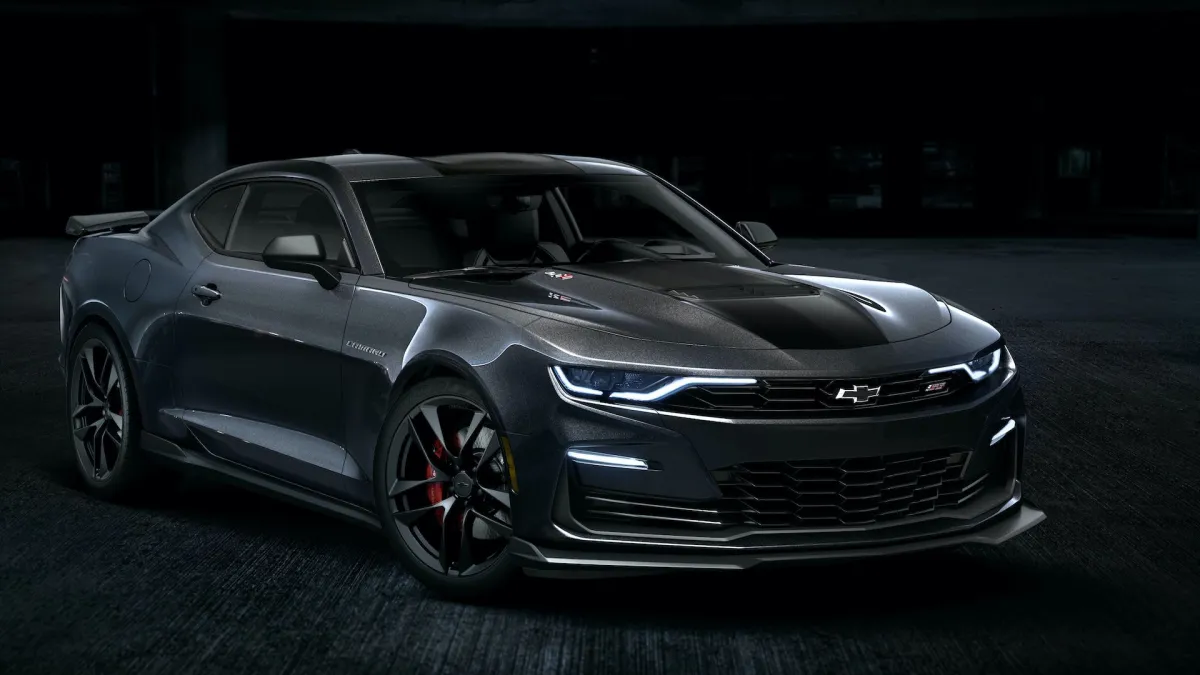 Photo: Chevrolet Camaro, via static1.hotcarsimages.com
The Math That Made Dreams Possible
Let's crunch the numbers that defined American teenage independence for decades. In 1980, the average used car cost around $2,800. Federal minimum wage sat at $3.10 per hour. A motivated teenager working 40 hours a week for 12 weeks could earn $1,488 before taxes—enough for a reliable beater with money left over for gas and insurance.
Insurance premiums averaged $400 annually for teen drivers, painful but manageable. Gas cost 86 cents per gallon. The total cost of teenage car ownership rarely exceeded $100 per month, achievable with weekend shifts at the local grocery store.
When Cars Were Still Just Transportation
The used car market of the 1970s and 1980s offered something today's teenagers can barely imagine: simple, fixable vehicles that lasted for years with basic maintenance. A 1974 Chevelle or 1981 Honda Civic didn't need computer diagnostics or specialized tools. When something broke, your neighbor's older brother could probably fix it in the driveway for $50 and a case of beer.
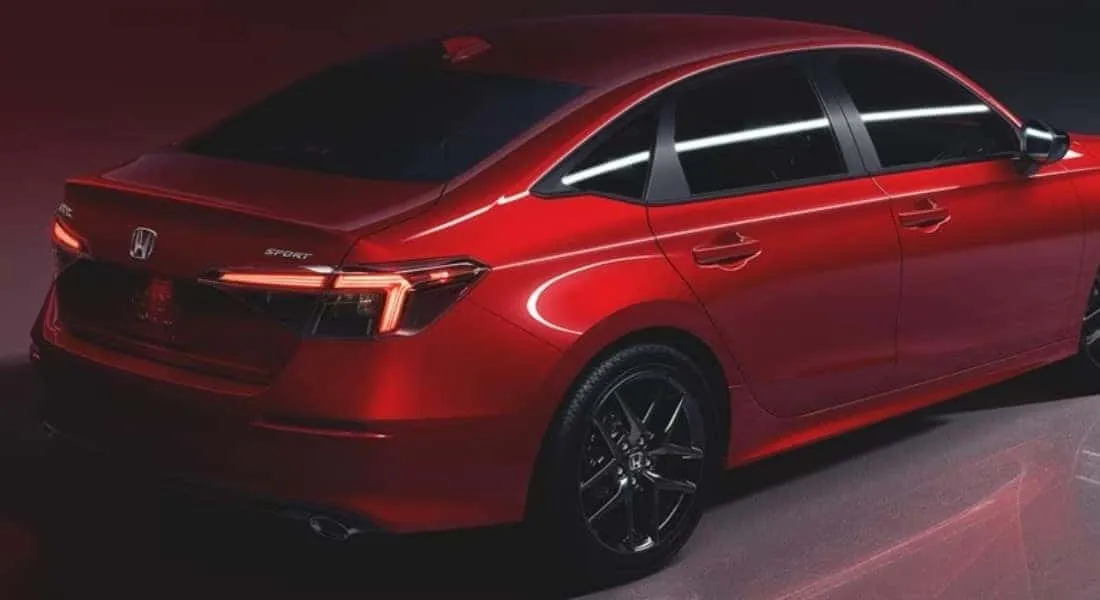 Photo: Honda Civic, via di-uploads-pod14.dealerinspire.com
These weren't luxury purchases—they were tools for independence. Air conditioning was optional, power windows were rare, and entertainment meant a radio that picked up three clear stations. But they ran, they were reliable enough to get you to school and work, and most importantly, they were affordable.
The Great Pricing Out
Today's reality tells a dramatically different story. The average used car now costs over $28,000—a 900% increase since 1980. Meanwhile, the federal minimum wage has grown by just 234% to $7.25 per hour. Even in states with higher minimum wages, the math doesn't work.
A teenager in California earning $16 per hour would need to work 1,750 hours—nearly a full year of full-time employment—just to afford the average used car, before considering insurance, registration, or maintenance. That same car will likely require specialized diagnostics, expensive replacement parts, and professional service for even minor repairs.
The Insurance Reality Check
Modern insurance costs have created their own barrier to teenage car ownership. Full coverage for a 17-year-old driver now averages $4,000 annually in many states—more than the entire purchase price of a decent used car in 1980. Liability-only coverage still runs $1,500-$2,500 per year, consuming months of part-time wages before the teenager even turns the ignition.
The vehicles themselves have become simultaneously more reliable and more expensive to maintain. A minor fender-bender that once meant a $200 body shop visit now triggers thousands in sensor replacements and computerized recalibration.
The Cultural Shift Nobody Talks About
This economic reality has quietly transformed American adolescence. The summer job that once guaranteed independence now barely covers a smartphone plan and weekend entertainment. Parents who remember earning their first car at 16 find themselves cosigning loans for their 22-year-old college graduates.
The teenage rite of passage—keys in hand, windows down, driving nowhere in particular—has become a luxury rather than an expected milestone. Instead of working toward transportation independence, today's teenagers often focus on college applications and unpaid internships, knowing that car ownership will likely require family assistance well into their twenties.
What We Lost Along the Way
The death of the affordable first car represents more than economic hardship—it's the end of a uniquely American form of self-reliance. The teenager who saved every paycheck, researched classified ads, and negotiated with used car dealers learned lessons about money management, mechanical responsibility, and personal independence that shaped entire generations.
Today's teenagers are often more financially literate and academically prepared than their parents were, but they're also more economically dependent for longer periods. The summer job that once bought freedom now barely covers the basics, and the dream of teenage car ownership has become as outdated as the manual transmission.
The highway that once represented unlimited possibility for American teenagers has become a reminder of opportunities that inflation and economic reality have placed just out of reach.