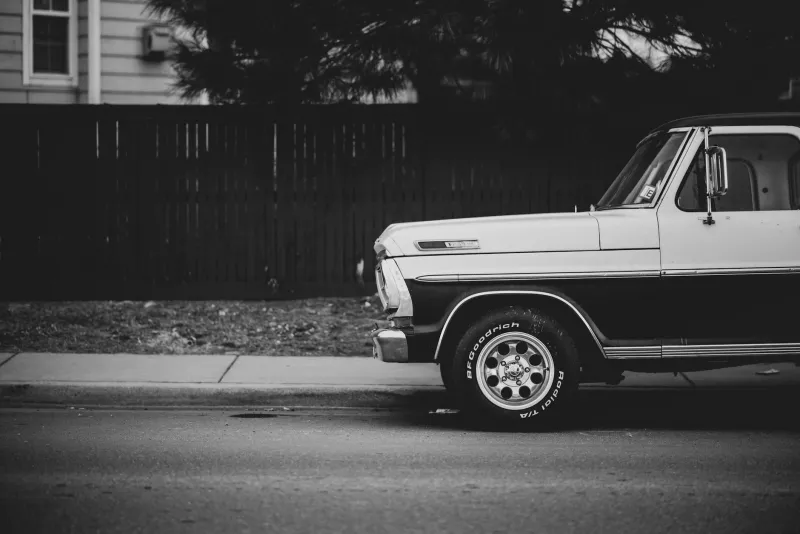
In 1965, whether you got a speeding ticket on the Pennsylvania Turnpike depended almost entirely on three things: whether a state trooper happened to be positioned along your route, whether he felt like pursuing you that particular day, and whether he thought you seemed like the kind of person who deserved a break. Traffic enforcement was fundamentally human—subjective, inconsistent, and surprisingly personal.
Today, that same stretch of highway is monitored by automated speed cameras, license plate readers, and connected-car systems that can report your driving behavior directly to insurers and authorities. The transformation from human discretion to algorithmic certainty represents one of the most dramatic shifts in how Americans interact with law enforcement, yet it happened so gradually that most drivers barely noticed.
The Era of Officer Discretion
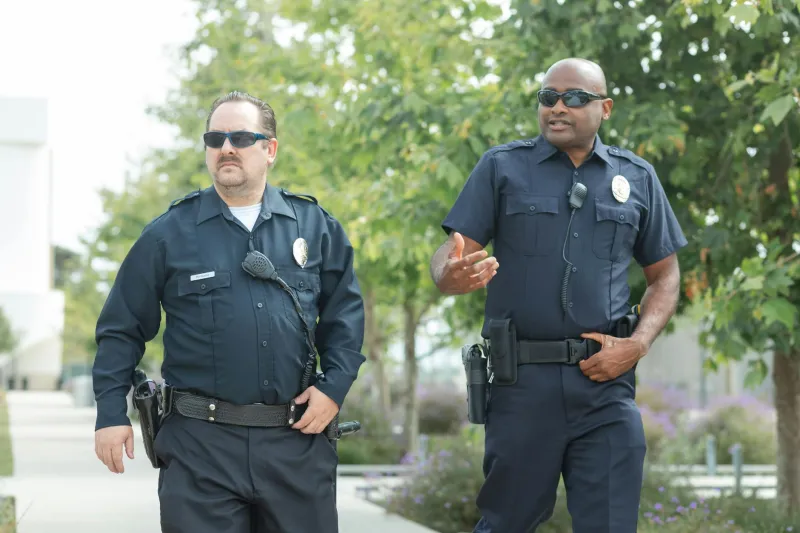
For the first seven decades of automotive history, traffic enforcement was entirely dependent on human presence and judgment. Police officers used stopwatches and marked distances to calculate speed, a process so cumbersome that most speeding went undetected. Even when officers did clock a violation, they had enormous discretion in deciding whether to pursue it.
This system created a fascinating culture around traffic stops. Experienced drivers learned to read police behavior, knowing that certain times, locations, and circumstances made tickets more or less likely. A businessman in a suit might get a warning where a teenager in a modified car would get the full penalty. Local residents often received more lenient treatment than out-of-state drivers.
Police officers became accustomed to making split-second character assessments. Was this driver genuinely unaware they were speeding, or deliberately flouting the law? Did they seem respectful and apologetic, or argumentative and entitled? These human factors often mattered more than the actual speed recorded.
The Radar Revolution: When Science Met Enforcement
The introduction of radar technology in the 1950s marked the beginning of the end for purely subjective traffic enforcement. Suddenly, officers could obtain precise speed measurements from a distance, eliminating guesswork and providing court-admissible evidence.
But early radar systems still required human operators who could choose when to activate the device and whom to target. The technology made enforcement more accurate, but it remained fundamentally discretionary. An officer might clock dozens of speeders during a shift but only pursue a fraction of them based on factors ranging from department quotas to personal judgment calls.
This period also saw the birth of the cat-and-mouse game between drivers and enforcement technology. Radar detectors became popular accessories, CB radios allowed truckers to share police locations, and drivers developed elaborate strategies for avoiding tickets while still exceeding speed limits.
The Digital Transformation: When Cameras Never Blink
The real revolution came with the introduction of automated enforcement systems in the 1990s. Red-light cameras appeared first, followed by speed cameras, and eventually sophisticated systems that could monitor multiple traffic violations simultaneously.
Unlike human officers, these systems operated with perfect consistency. They never had bad days, never showed favoritism, and never decided to let someone off with a warning. A violation was a violation, regardless of the driver's appearance, attitude, or sob story.
This shift fundamentally altered the psychology of driving. The old system created a sense that traffic enforcement was somewhat negotiable—if you were polite, well-dressed, or simply unlucky enough to encounter an officer in a good mood, you might escape consequences. Automated systems eliminated this uncertainty, creating a more predictable but also more impersonal relationship between drivers and traffic laws.
The Big Data Era: When Your Car Becomes a Witness
Today's enforcement landscape would be unrecognizable to officers from the radar era. License plate readers can track vehicles across entire regions, creating detailed movement patterns for millions of drivers. Connected cars transmit real-time data about speed, location, and driving behavior to manufacturers, who may share that information with insurers or law enforcement.
Some modern vehicles are essentially mobile surveillance platforms. They know when you exceed speed limits, how hard you brake, whether you're following too closely, and even whether you're wearing a seatbelt. This data can be accessed remotely and used to generate traffic citations without any human officer ever witnessing the violation.
The scope of automated enforcement has expanded far beyond simple speed detection. Modern systems can identify uninsured vehicles, detect cell phone usage, monitor following distances, and even recognize aggressive driving patterns. What once required a trained officer's observation can now be detected and documented automatically.
The Algorithmic Justice System
Perhaps the most significant change is how violations are processed and adjudicated. The old system relied heavily on officer testimony and human interpretation of events. Today's automated systems generate vast amounts of data that can be processed algorithmically to determine guilt or innocence.
Some jurisdictions now use AI systems to review traffic camera footage, identifying violations and generating citations without human intervention. These systems can process thousands of potential violations in the time it would take a human reviewer to examine a single case.
The appeals process has been similarly automated in many areas. Drivers who contest tickets often face algorithmic review systems rather than human judges, with decisions based on data analysis rather than personal circumstances or extenuating factors.
The Privacy Trade-Off: What We Surrendered for Safety
This technological evolution has undoubtedly made roads safer and enforcement more consistent. Automated systems don't suffer from bias, fatigue, or corruption. They apply laws uniformly regardless of a driver's race, gender, or social status—a significant improvement over the often arbitrary nature of human enforcement.
But the transition has also eliminated much of the human element that once characterized traffic enforcement. The old system, for all its flaws, allowed for mercy, context, and individual circumstances. A driver rushing to the hospital might receive understanding from a human officer that an automated system cannot provide.
More concerning to many privacy advocates is the comprehensive surveillance network that modern enforcement requires. To catch speeders automatically, governments must monitor all drivers continuously. The same systems that identify traffic violations also create detailed records of where citizens travel, when they arrive, and how long they stay.
The Unintended Consequences
Automated enforcement has created new problems even as it solved old ones. Revenue generation has become a significant factor in some jurisdictions, leading to accusations that traffic cameras are more about municipal fundraising than public safety.
The impersonal nature of automated enforcement has also changed how citizens relate to law enforcement generally. The human interaction that once characterized traffic stops—however stressful—provided opportunities for positive police-citizen contact. Automated systems eliminate these interactions entirely, potentially reducing community trust and understanding.
Some drivers report feeling constantly watched and judged by invisible systems, creating a sense of paranoia that didn't exist when enforcement was clearly human and limited. The knowledge that your every movement might be monitored and recorded has psychological effects that extend far beyond traffic compliance.
Looking Forward: The Fully Automated Future
The next phase of this evolution is already beginning. Connected infrastructure will soon allow real-time communication between vehicles, traffic systems, and enforcement agencies. Autonomous vehicles will be incapable of violating traffic laws, potentially making traditional enforcement obsolete.
But this future raises new questions about freedom, privacy, and the role of human judgment in society. When every aspect of driving is monitored and controlled automatically, we may achieve perfect safety and compliance—but at the cost of the autonomy and unpredictability that once defined the American driving experience.
The transformation from radar guns to robot cops represents more than just technological progress. It reflects a broader shift toward algorithmic governance, where human discretion is replaced by digital certainty. Whether this represents progress or loss depends largely on what we value more: the fairness and consistency of automated systems, or the flexibility and humanity of individual judgment.
What's certain is that the era of the friendly warning and the lucky break is largely over. In today's world of digital enforcement, the only reliable way to avoid traffic tickets is to follow traffic laws exactly—a reality that would have seemed both impressive and frightening to drivers from the handshake era of American motoring.