The 20-Year Love Affair: When Americans Married Their Cars Instead of Trading Them In
Till Death Do Us Part
In 1967, Harold Kowalski bought a powder-blue Chevy Impala from Mel's Chevrolet on the south side of Chicago. He drove it home to show his wife, parked it carefully in their single-car garage, and began a relationship that would last 28 years. Through three kids, two job changes, countless family vacations, and one major engine rebuild, that Impala remained Harold's daily companion until the day he finally, reluctantly, traded it in for something newer.
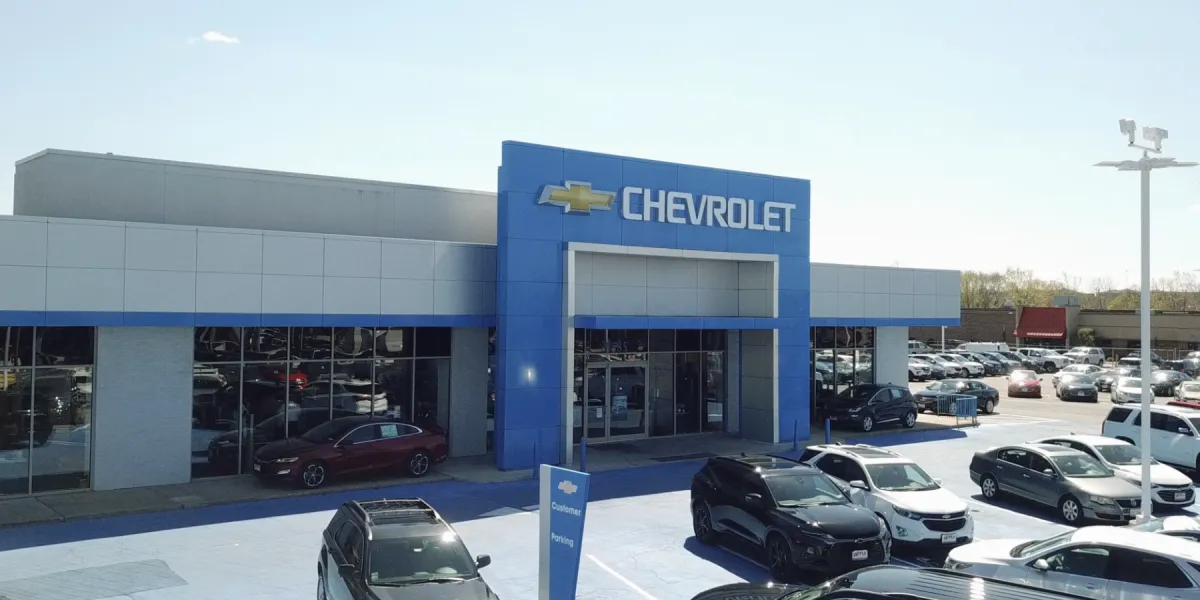 Photo: Chevy Impala, via blog.applechevy.com
 Photo: Harold Kowalski, via f4.bcbits.com
This wasn't unusual. It was just how Americans thought about cars.
Today, Harold's story sounds almost quaint. The average car loan now stretches 72 months, but most Americans don't even keep their vehicles that long. We've become a nation of automotive serial monogamists, always looking for the next upgrade, the next feature, the next monthly payment.
When Cars Were Investments, Not Subscriptions
In the postwar decades, buying a car was a major financial decision that families approached with the gravity of a mortgage. You saved up for a substantial down payment, chose carefully based on reliability and longevity, and expected to drive your purchase for at least a decade.
The numbers tell the story. In 1970, the average American kept their car for 11.5 years. Today, that figure has dropped to just 6.5 years, and for leased vehicles, it's even shorter. We've compressed what was once a decade-plus relationship into something barely longer than a college degree.
This shift represents more than just changing consumer preferences — it reflects a fundamental transformation in how Americans think about ownership, debt, and the relationship between objects and identity.
The Ritual of Maintenance
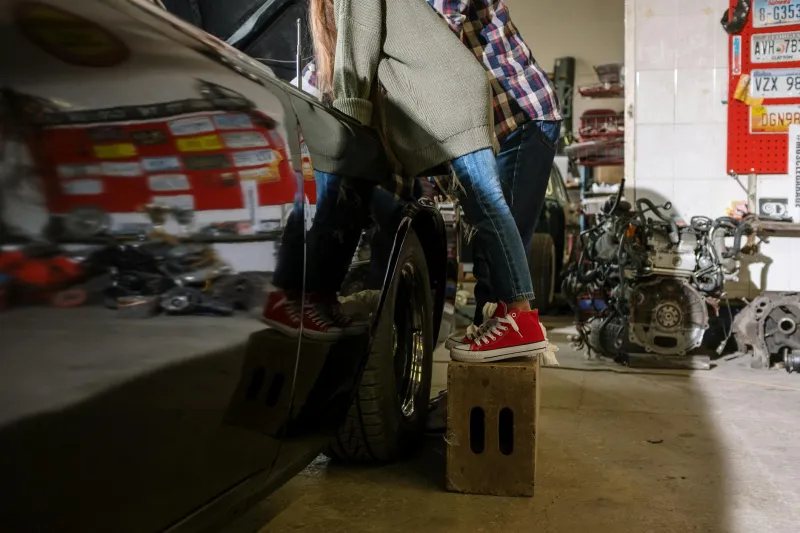
Owning a car for 15 or 20 years required a completely different mindset. You learned your vehicle's quirks, its seasonal moods, the exact sound it made when something was about to go wrong. Saturday mornings often meant time in the driveway, checking fluids, rotating tires, or tackling minor repairs.
Families developed genuine relationships with their local mechanics — guys like Joe at the Texaco station who knew your car's history better than your doctor knew your medical records. These weren't just service transactions; they were ongoing partnerships in keeping your investment running.
Car maintenance was a family affair. Fathers taught sons how to change oil, replace spark plugs, and diagnose problems by sound. Glove compartments held detailed service records, carefully maintained logs that tracked every repair, every upgrade, every mile.
The Economics of Forever
The financial math of long-term ownership made sense in ways that seem almost foreign today. Cars were expensive relative to income, but they were also built to last. A well-maintained vehicle from the 1960s or 70s could easily reach 200,000 miles with proper care.
More importantly, cars held their value differently. While they still depreciated, the curve was gentler, and a 10-year-old vehicle wasn't automatically considered obsolete. Families often passed cars down through generations — the reliable sedan becoming the teenager's first car, then perhaps serving as a backup vehicle for years afterward.
This created a different relationship with automotive debt. Instead of perpetual monthly payments, car loans had endpoints. Families looked forward to the day when they'd make their final payment and own their vehicle outright. That paid-off car represented genuine financial freedom.
The Emotional Investment
Something profound happens when you own the same car for 15 or 20 years. It becomes more than transportation — it becomes a repository of memories, a witness to your life's major events. The scratch from moving day, the coffee stain from that early morning road trip, the wear pattern on the driver's seat that perfectly matches your posture.
Families named their cars, talked to them during cold winter starts, and felt genuine sadness when major repairs finally became uneconomical. These vehicles carried children home from the hospital, transported families to graduations and weddings, and served as mobile command centers for countless family adventures.
The glove compartment became a time capsule — old registration papers, faded photos, maybe a few cassette tapes from different eras of the car's life. Each item told part of the story of a family growing up together with their faithful automotive companion.
The Lease Revolution
The transformation began in the 1980s with the rise of automotive leasing. Suddenly, families could drive newer, more expensive cars for lower monthly payments. The catch? You never actually owned anything, and you had to give the car back after two or three years.
Leasing fundamentally changed the psychology of car ownership. Instead of viewing vehicles as long-term investments, Americans began seeing them as temporary accessories. Why worry about long-term reliability when you'd be driving something else in 36 months?
This shift was accelerated by rapidly advancing technology. Features that seemed cutting-edge quickly became standard, making older vehicles feel obsolete even when they were mechanically sound. The three-year lease cycle aligned perfectly with the pace of technological change.
The Subscription Mentality
Today's automotive market has embraced what economists call the "subscription economy." Like Netflix or Spotify, car ownership has become about access rather than possession. Monthly payments never end because there's always a newer model, a better deal, an upgraded feature set.
Manufacturers have adapted their business models accordingly. Instead of building cars to last 20 years, they optimize for the 3-5 year ownership cycle. Features are designed to impress during the honeymoon period, not to provide decades of reliable service.
The result is vehicles that are more sophisticated but less durable, more impressive but less repairable, more connected but less timeless.
What We've Gained and Lost
The modern approach to car ownership offers undeniable benefits. Today's drivers experience constant technological advancement, improved safety features, and better fuel efficiency. They're less likely to be stranded by mechanical failures or burdened by expensive repairs.
But something important has been lost in the transition. The deep satisfaction of truly owning something valuable. The confidence that comes from knowing your vehicle inside and out. The financial freedom of driving without monthly payments. The environmental benefit of keeping vehicles in service longer.
Most significantly, we've lost the emotional connection that comes from shared history. Today's cars are appliances — sophisticated, reliable appliances, but appliances nonetheless. They lack the character that develops only through years of shared experience.
The Rare Exceptions
Some Americans still maintain the old relationship with their vehicles. Drive through any small town and you'll find pickup trucks with 300,000 miles, sedans from the 1990s still serving as daily drivers, and classic cars lovingly maintained for decades.
These holdouts represent more than just frugality or nostalgia. They've preserved a different way of thinking about the relationship between people and their possessions — one that values durability over novelty, character over convenience, and ownership over access.
The True Cost of Constant Upgrading
When you calculate the lifetime cost of the modern automotive lifestyle — perpetual monthly payments, higher insurance costs, constant depreciation — the old model of long-term ownership looks remarkably efficient. Harold's 28-year relationship with his Impala probably cost less in inflation-adjusted dollars than most Americans now spend on cars every five years.
More importantly, it represented a fundamentally different approach to life — one that valued commitment over convenience, character over features, and the satisfaction of truly owning something over the thrill of always having access to the latest model.
In our rush toward automotive modernity, we may have traded something irreplaceable: the simple pleasure of driving the same car long enough to call it home.