When 90 Minutes Changed Everything: The Lost Ritual of Crafting the Perfect Car Cassette
The Sacred Saturday Afternoon Ritual
Every Saturday afternoon in 1987, millions of Americans performed the same meticulous ritual. Armed with a stack of albums, a dual-cassette deck, and a 90-minute blank tape, they'd spend the entire afternoon crafting something that no algorithm could ever replicate: the perfect mix tape for next weekend's road trip.
The process was painstaking. You'd calculate timing down to the second, leaving just enough space at the end of Side A for that one song that absolutely had to make the cut. You'd agonize over track order, knowing that the transition from "Don't Stop Believin'" to "Born to Run" could make or break the entire vibe somewhere outside Tucumcari, New Mexico.
Today, we have 100 million songs at our fingertips. Back then, most people owned maybe 200 albums, and choosing which 20 songs deserved a spot on your road trip soundtrack felt like curating a museum exhibition.
When Music Had Weight
The physical limitations of cassette tapes created something we've completely lost: scarcity that bred intimacy. You couldn't skip songs easily while driving — the fast-forward and rewind buttons were clunky, dangerous distractions on the highway. So every song on your mix tape had to earn its place.
This wasn't just about music selection. It was about understanding your travel companions at a molecular level. Making a mix tape for a road trip with friends meant predicting their moods across 12 hours of Interstate 40. Would they want something mellow during the sunrise stretch through Oklahoma? Something energetic when the afternoon heat made everyone cranky in the Texas panhandle?
The stakes felt enormous because they were. If your mix tape sucked, you were stuck with it for 1,200 miles.
The Art of the Handwritten Label
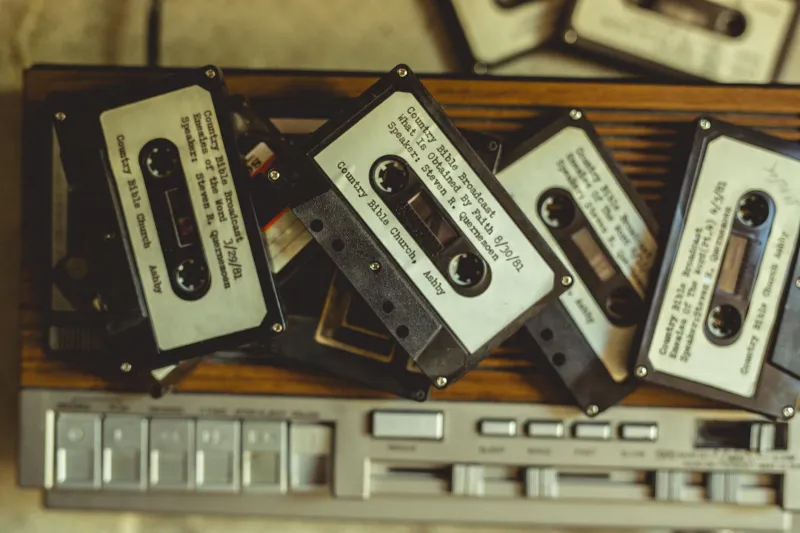
Remember the tiny paper inserts that came with blank cassettes? Americans turned those into miniature works of art. Song titles written in careful block letters. Elaborate doodles in the margins. Inside jokes that would make perfect sense somewhere outside Barstow but nowhere else.
These weren't just track listings — they were time capsules. Decades later, people would find old mix tapes in glove compartments and immediately transport back to that summer they drove to Colorado, or the spring break trip to Myrtle Beach, or the move across country after college.
Today's Spotify road trip playlists disappear into the digital ether. But those handwritten cassette labels? They were physical artifacts of specific moments in time.
The Democracy of the Tape Deck
In the pre-smartphone era, controlling the car stereo was a negotiated democracy. The driver might have ultimate veto power, but passengers could lobby for their favorite songs during the planning phase. Everyone contributed albums to the mix tape creation process.
Compare that to today's road trips, where whoever controls the Bluetooth connection becomes a musical dictator. The collaborative element has vanished. Instead of spending Saturday afternoon together crafting the perfect soundtrack, one person just hits "shuffle" on their "Road Trip Vibes" playlist and hopes for the best.
When Silence Meant Something
Here's what we really lost: the spaces between songs mattered. When your perfectly timed mix tape ended, you had to flip it over or put in a new one. Those moments of silence — or radio static, or awkward conversation — were part of the journey.
Today's streaming services eliminate dead air entirely. Songs blend seamlessly into each other, algorithms predict what you want to hear next, and the music never stops. We've gained convenience but lost the rhythm of the road trip itself.
Those moments when the tape ended and you had to decide what came next? That's when the best conversations happened. When someone would say "Remember that time..." or "What if we took the scenic route instead?" The gaps in the soundtrack created space for connection.
The Commitment That Created Magic
Making a road trip mix tape required commitment that's almost incomprehensible today. You couldn't change your mind halfway through. If you realized at hour six that you needed more Fleetwood Mac and less Eagles, tough luck. You were committed to your choices.
But that limitation created something beautiful: acceptance. You learned to love songs in context, to appreciate how "Hotel California" hit different when you were actually driving through the desert at sunset, even if it wasn't your first choice.
Today, we optimize constantly. Song doesn't fit the moment? Skip it. Mood changed? Switch playlists. We've gained infinite choice but lost the art of making peace with our decisions.
What We Gained and Lost
Don't get me wrong — streaming music on road trips has obvious advantages. No more stopping at gas stations to untangle tape that got eaten by a faulty cassette deck. No more being stuck with the same 90 minutes of music for an entire day.
But we've traded intentionality for convenience. The hours spent crafting mix tapes weren't just about music curation — they were about anticipating shared experiences, about caring enough to spend an entire afternoon creating something specifically for the people you'd be traveling with.
In losing the mix tape, we didn't just lose a technology. We lost a ritual that connected us to our music, our travel companions, and the journey itself. The soundtrack to our lives became background noise instead of the carefully chosen score to our adventures.
Somewhere in America, there's probably still a shoebox full of old road trip cassettes in someone's garage. Each one a 90-minute time machine, waiting to transport whoever finds it back to when choosing the perfect song for mile marker 247 felt like the most important decision in the world.