The Golden Age of Free Spaces
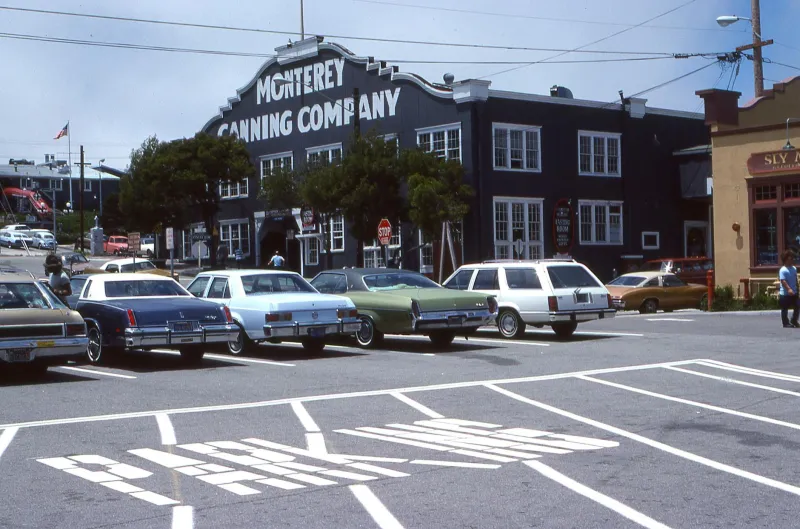
In 1955, if you drove your Buick into downtown Detroit, Minneapolis, or dozens of other American cities, you'd find something almost unimaginable today: acres of free parking spaces, built and maintained by the city specifically to make your shopping trip easier. These weren't grudging concessions to car culture—they were civic investments, marketed in newspapers and chamber of commerce brochures as proof that your city understood modern life.
City planners in the postwar boom actively demolished entire blocks of older buildings to create surface lots. The logic was simple: free parking meant more shoppers, more shoppers meant thriving downtown businesses, and thriving businesses meant a healthy tax base. It was urban planning built around the assumption that making car ownership convenient was the same as making cities prosperous.
When Meters Meant Progress
The first parking meters appeared in Oklahoma City in 1935, but they spread slowly. For decades, they were seen as temporary solutions for the busiest commercial blocks—a way to ensure turnover rather than generate serious revenue. Most cities still offered plenty of free alternatives just a block or two away.
The real shift began in the 1970s and 1980s, when municipal budgets tightened and city officials realized those downtown lots were sitting on some of the most valuable real estate in America. What had once been a public service started looking like a missed opportunity. Parking transformed from a civic amenity into a revenue stream.
The Digital Revolution Nobody Asked For
Today's parking landscape would be incomprehensible to a driver from 1960. In many cities, feeding coins into a meter is no longer possible—you need a smartphone app, a credit card, or both. License plate recognition cameras track your arrival and departure times automatically. Dynamic pricing adjusts rates based on demand, just like airline tickets or hotel rooms.
In downtown San Francisco, an hour of parking can cost $7. In Manhattan, private lots charge $40 or more for a few hours. These aren't luxury services—they're basic requirements for participating in urban life if you own a car. The hidden cost adds up to thousands of dollars per year for city residents who need to park regularly.
The Real Cost of Convenience
What's striking isn't just the price increase—it's how thoroughly the relationship between cities and drivers has flipped. Where cities once competed to make parking free and abundant, they now compete to make it expensive and scarce. Urban planners who once demolished buildings for parking lots now demolish parking lots for buildings.
This shift reflects a broader change in how Americans think about public space. The postwar generation saw free parking as a public good, like libraries or parks—something cities provided to make life better for residents and visitors. Today's city governments see parking as a market commodity, priced to manage demand and generate revenue.
The transformation has been so complete that many young Americans can't imagine cities any other way. The idea that you could once drive downtown, park for free all day, and walk to multiple stores feels as outdated as paying for groceries with cash or using a payphone.
When Cars Were Welcome Everywhere
Perhaps the most dramatic change is psychological. In the 1950s and 1960s, bringing your car downtown was something cities actively encouraged. Parking was marketed as a convenience, not a burden. Shopping districts advertised their parking capacity alongside their store selections.
Today, many cities treat cars as problems to be managed rather than customers to be welcomed. Parking restrictions, congestion pricing, and car-free zones reflect a fundamental shift in urban priorities. What was once seen as progress—making cities more car-friendly—is now often seen as a mistake to be corrected.
The Unintended Consequences
The death of free parking didn't just change where Americans shop—it changed whether they shop at all. Many suburban malls succeeded precisely because they offered something downtown couldn't: abundant free parking. The rise of online shopping is partly a story about delivery trucks replacing customer cars, eliminating the parking problem entirely.
For millions of Americans, particularly those with lower incomes, expensive parking has effectively made urban centers less accessible. The hidden cost of a downtown trip now includes not just gas and time, but parking fees that can exceed the cost of whatever you came to buy.
What We Lost Along the Way
Looking back, the era of free downtown parking represents something larger: a moment when American cities were designed around the assumption that making life convenient for car owners was the same as making cities successful. Whether that assumption was right or wrong, its disappearance marks the end of an era when cities competed to welcome cars rather than restrict them.
Today's urban planners might argue that expensive parking encourages public transit use and reduces traffic congestion. But for the millions of Americans who still depend on cars for daily life, the transformation of free parking into a luxury service represents one more way that cities have become less accessible to ordinary people. The spaces are still there—they just cost more than many Americans can afford.