When Every Gas Tank Came with a Smile: America's Lost Era of Full-Service Everything
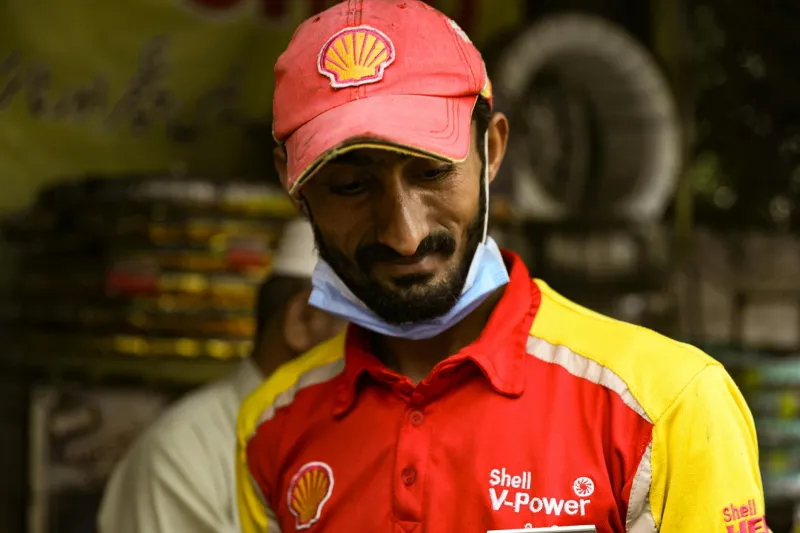
When Every Gas Tank Came with a Smile: America's Lost Era of Full-Service Everything
Picture this: You drive into a gas station, and before you can even turn off your engine, someone in a crisp uniform appears at your window. "Fill 'er up?" they ask with a genuine smile. While the gas flows, they're already lifting your hood, checking the oil level, testing the air pressure in your tires, and giving your windshield a thorough cleaning. They know your name, remember that your car tends to run low on coolant, and always ask about your family.
This wasn't luxury service reserved for the wealthy. This was Tuesday afternoon in America, circa 1960.
The Golden Age of Gas Station Service
For most of the 20th century, full-service gas stations weren't just the norm—they were practically the only option. From the 1920s through the 1970s, the idea of pumping your own gas seemed as foreign as fixing your own transmission. Gas stations competed not just on price, but on the quality of service their attendants provided.
These weren't just pump jockeys. Station attendants were trained automotive technicians who could spot potential problems before they became roadside disasters. They carried rags in their back pockets, wore pressed uniforms with their names embroidered on the chest, and took genuine pride in keeping America's cars running smoothly.
The typical full-service experience included checking all fluid levels, testing tire pressure, cleaning windows inside and out, and even emptying ashtrays. Some stations went further, offering free road maps, travel advice, and small repairs while you waited. It was customer service that made a routine stop feel like genuine care.
Why Everything Changed
The shift began in the late 1960s when the first self-service stations appeared, promising lower prices in exchange for doing the work yourself. Initially, many states banned self-service pumps, viewing them as unsafe. But economic pressures during the oil crises of the 1970s made cheaper gas irresistible to consumers.
By the 1980s, full-service stations were rapidly disappearing across most of America. The economics were simple: labor costs money, and Americans proved willing to pump their own gas if it meant saving a few cents per gallon. What seemed like a small trade-off—convenience for cost—fundamentally changed how we interact with one of our most frequent errands.
The transformation wasn't just about gas pumps. It reflected a broader cultural shift toward self-service everything: grocery checkout, bank transactions, even ordering food. The personal touch that defined mid-century American commerce was being systematically automated away.
The Holdout States
Today, only New Jersey and Oregon maintain laws requiring attendants to pump gas for customers, though Oregon recently relaxed its rules for rural counties. These states offer a glimpse into what we lost—and what some argue we never should have given up.
Visitors to New Jersey often experience culture shock when an attendant approaches their car. Many don't know whether to get out, where to look, or how to tip. It's a reminder of how completely we've adapted to doing everything ourselves.
New Jersey residents, meanwhile, often feel equally disoriented when traveling to self-service states. The ritual of getting out, handling the pump, and cleaning their own windshield feels inefficient and slightly undignified after a lifetime of having someone else handle these tasks.
What We Actually Lost
Beyond the obvious convenience, full-service gas stations provided something harder to quantify: human connection in daily life. Your regular attendant knew your car's quirks, remembered your preferences, and served as an informal neighborhood information hub. They were often the first to notice when something seemed wrong with your vehicle—or with you.
These interactions created what sociologists call "weak ties"—casual relationships that nonetheless contributed to community cohesion. The attendant who remembered your name, the brief conversations about weather or local news, the sense that someone was looking out for your car's wellbeing—these small touches made routine errands feel less anonymous.
Modern gas stations, by contrast, are designed for speed and efficiency. Pay at the pump, minimal human contact, get back on the road. We've gained time and saved money, but lost the serendipitous conversations and personal attention that once made filling up feel less like a chore.
The Economics of Care
Full-service gas cost more, but the price difference bought more than labor. It purchased expertise, convenience, and peace of mind. Attendants caught problems early, potentially saving customers from expensive repairs or dangerous breakdowns. They provided informal automotive education, teaching customers about their cars through casual conversation.
Today's self-service world has made us more self-reliant but arguably less knowledgeable about our vehicles. How many drivers today would notice low tire pressure, recognize the signs of a failing belt, or know when their oil needs changing? The attendants who once provided this informal monitoring system are gone, replaced by dashboard warning lights that only alert us after problems become serious.
The Verdict: Progress or Loss?
The disappearance of full-service gas stations perfectly encapsulates how American life has changed over the past half-century. We've traded personal service for efficiency, human expertise for self-reliance, and community interaction for individual convenience.
Whether this represents progress depends on what you value most. We pump our own gas faster and cheaper than ever before. But we've also lost a daily touchpoint with our communities, a source of automotive wisdom, and one of the last places where genuine customer service was simply expected.
Every time you squeeze that pump handle and clean your own windshield, you're participating in a revolution that began fifty years ago—one that promised to make life simpler but also made it undeniably more solitary.