When the Road Had a Face
Pull into the Stardust Motor Inn outside Flagstaff in 1978, and you'd be greeted by Helen, who lived in the apartment behind the front desk with her husband Frank. She'd hand you an actual metal key attached to a plastic diamond, ask about your travels, and recommend the best diner in town for breakfast. Room 12 had the good shower pressure, she'd mention with a wink, while steering families away from the units near the ice machine.
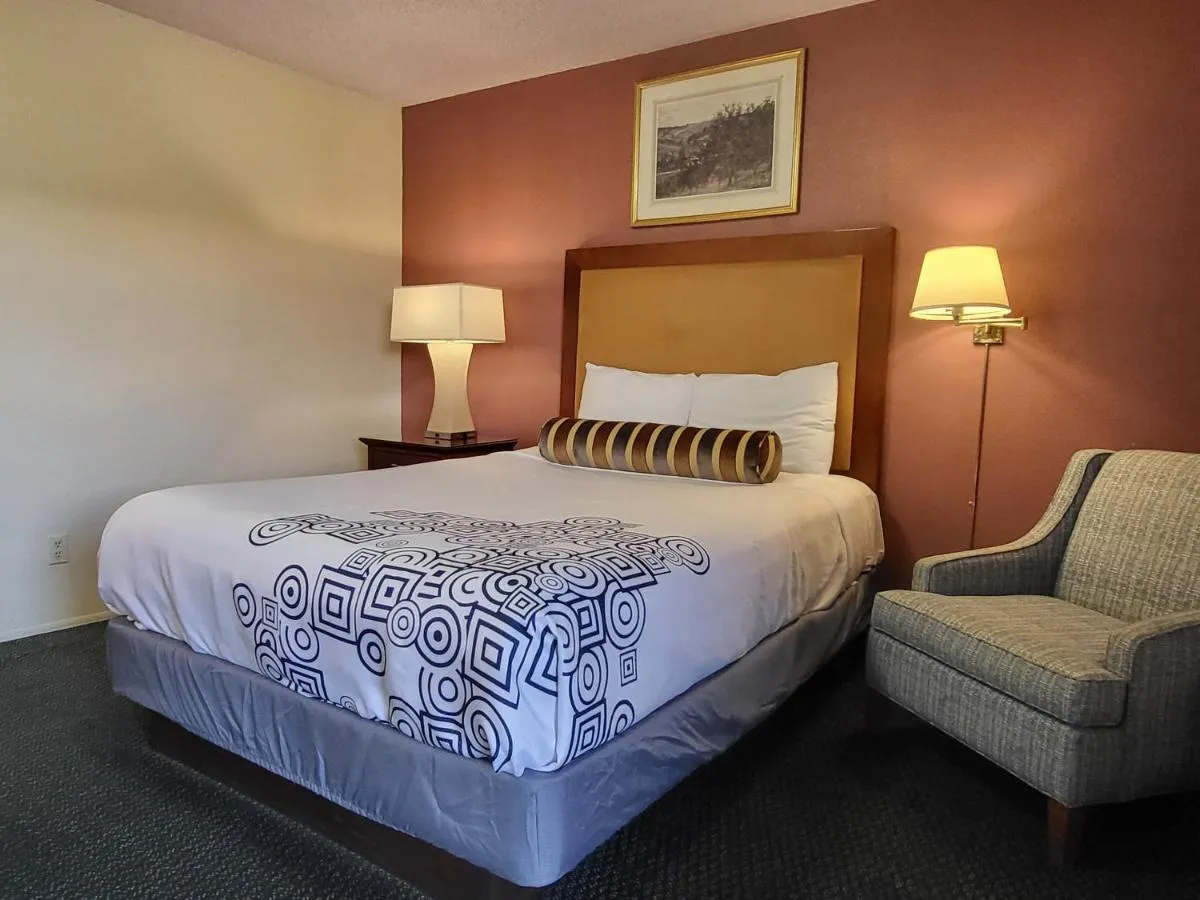 Photo: Stardust Motor Inn, via stardustinnbarstow.com
This wasn't exceptional service—it was simply how America's roadside hospitality worked. From the neon-lit motor courts of Route 66 to the lakeside cabins of the Adirondacks, independent motels offered something that today's branded hotels have systematically eliminated: genuine local character and personal connection.
The Golden Age of Roadside Personality
The American motel reached its cultural peak between 1950 and 1980, when over 60,000 independently owned properties dotted the nation's highways. Each one reflected the personality, quirks, and local pride of its owners. The Wigwam Village motels shaped their rooms like concrete tepees. The Madonna Inn in San Luis Obispo featured rock waterfalls and pink everything. The Safari Motor Inn in Tucson displayed genuine animal heads and desert artifacts in every room.
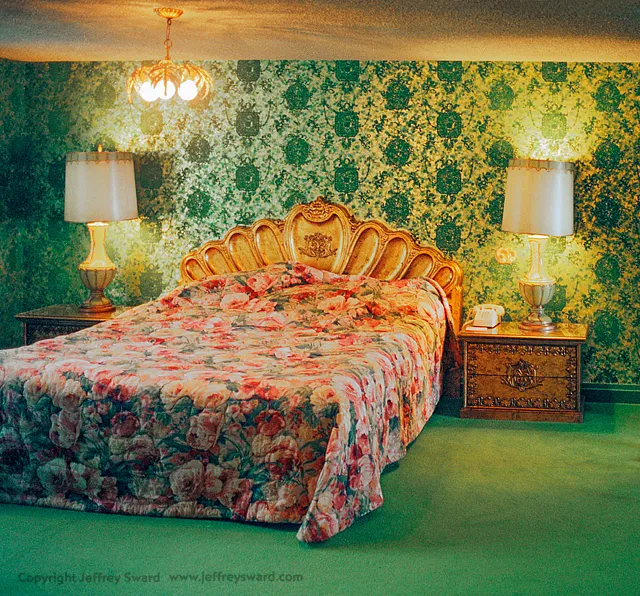 Photo: Madonna Inn, via www.jeffreysward.com
These weren't marketing gimmicks designed by corporate committees—they were genuine expressions of American entrepreneurial creativity. Owners invested their life savings and personal identity into creating memorable experiences for travelers. The result was a roadside landscape where every overnight stay offered the possibility of discovery and surprise.
The Architecture of Welcome
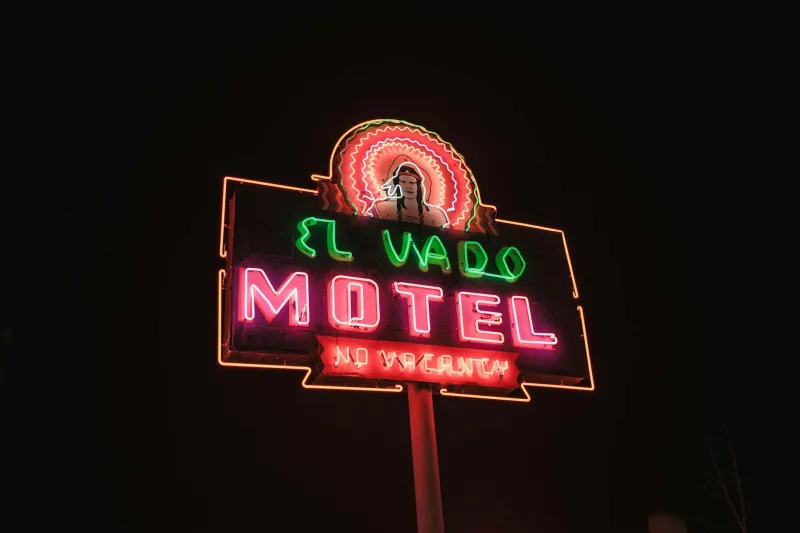
Independent motels spoke a visual language that corporate chains have never mastered. Hand-painted signs promised "Air Conditioned" rooms and "Color TV" in letters that reflected regional artistic styles. Neon arrows pointed toward "Vacancy" with the optimism of small business owners who genuinely wanted your patronage.
The physical design prioritized human interaction over efficiency. Office windows faced the parking lot so owners could wave at arriving guests. Swimming pools sat at the center of the property, encouraging families to mingle during evening swims. Many properties featured playground equipment, picnic tables, and barbecue grills—amenities that acknowledged travelers as temporary neighbors rather than processed customers.
The Personal Touch Economy
What made these motels memorable wasn't luxury—it was authenticity. Owners knew their repeat customers by name and travel patterns. They'd save your preferred room type, remember your coffee preferences, and ask about your kids' baseball seasons. This personal knowledge created loyalty that no corporate rewards program has successfully replicated.
Local recommendations carried real weight because they came from people who lived in the community year-round. When the motel owner suggested a particular barbecue joint or scenic overlook, travelers knew they were getting insider knowledge rather than paid promotional partnerships.
The Corporate Standardization Revolution
The transformation began in the 1960s with Holiday Inn's aggressive expansion strategy, but accelerated dramatically in the 1980s and 1990s. Corporate chains offered something independent motels couldn't match: predictable quality standards and national reservation systems. A business traveler could book a Hampton Inn room in Portland, Oregon, confident it would closely resemble their familiar Hampton Inn experience in Portland, Maine.
This reliability came at a cultural cost. Corporate properties eliminated the variables that made independent motels memorable—the unexpected architectural details, the owner's personal recommendations, the sense of discovering something unique. Every room became a variation on the same beige theme, designed to offend no one and surprise no one.
The Algorithm Takes Over
Modern hotel management has completed the depersonalization process that began with corporate standardization. Today's front desk clerks follow scripts generated by customer service software. Room assignments are determined by algorithms that optimize housekeeping efficiency rather than guest preferences. Even the wake-up calls are automated.
Keycard technology eliminated the simple human interaction of checking out—guests simply leave their plastic cards in the room and drive away. The brief conversation that once occurred at the front desk, where travelers might learn about local attractions or road conditions, has been replaced by QR codes linking to generic tourism websites.
What the Spreadsheets Couldn't Calculate
Corporate hospitality excels at measurable metrics: check-in times, room cleanliness scores, and customer satisfaction ratings. But it struggles to quantify what made independent motels culturally valuable—the sense of place, the human connection, and the feeling that your overnight stay contributed to a local community rather than a distant shareholder's portfolio.
The independent motel owner who painted murals of local landmarks on the office walls wasn't trying to increase occupancy rates—they were sharing their pride in their community. The proprietor who maintained a guest book filled with traveler stories and recommendations wasn't collecting marketing data—they were preserving human connections across time and distance.
The Surviving Remnants
A few independent motels continue to operate, often as nostalgic curiosities rather than practical accommodations. The surviving properties face constant pressure from corporate competitors who can offer lower rates through economies of scale and sophisticated booking systems. Many have been converted to extended-stay housing or demolished for more profitable development.
The motels that remain often struggle to balance authentic character with modern expectations. Travelers still want the personal touch and local flavor, but they also expect reliable Wi-Fi, contemporary bathrooms, and online booking capabilities—upgrades that strain the budgets of small business owners.
The Homogenization of the American Road
Driving across America today means encountering the same branded hotel experiences from coast to coast. A Hampton Inn in Montana offers identical amenities, room layouts, and customer service protocols as one in Florida. This consistency serves business travelers well but has eliminated the regional diversity that once made road trips culturally enriching.
The corporate takeover of roadside hospitality reflects a broader trend toward standardization in American commerce, where efficiency and predictability have largely replaced local character and personal service. We've gained convenience and reliability while losing the human-scale interactions that once made travel feel like genuine exploration rather than processed transportation.