Wood Paneling and Weekend Adventures: The Station Wagon's Journey from Status Symbol to Cultural Punchline
The Suburban Chariot
Picture this: it's 1978, and the Andersons are loading up their Country Squire for the annual pilgrimage to Yellowstone. Dad's arranging the cooler in the massive cargo area, Mom's settling disputes over who gets which window seat, and three kids plus the family golden retriever are somehow finding room in a vehicle that could comfortably transport a small army.
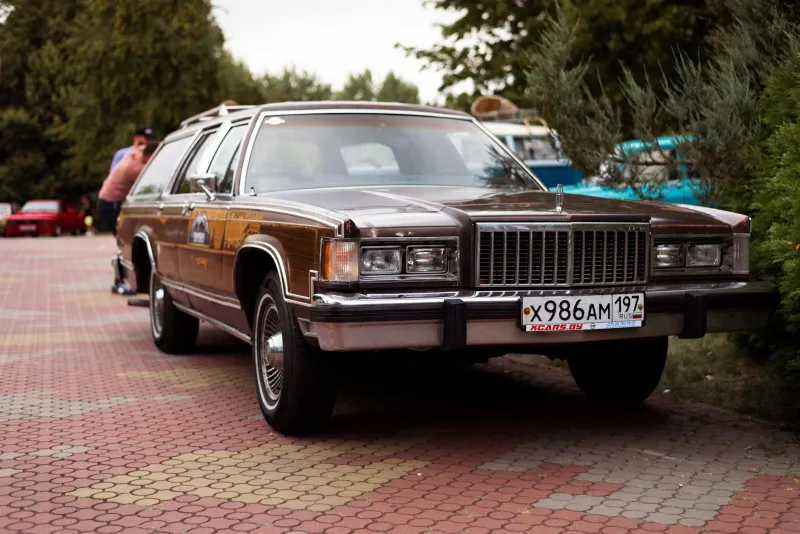
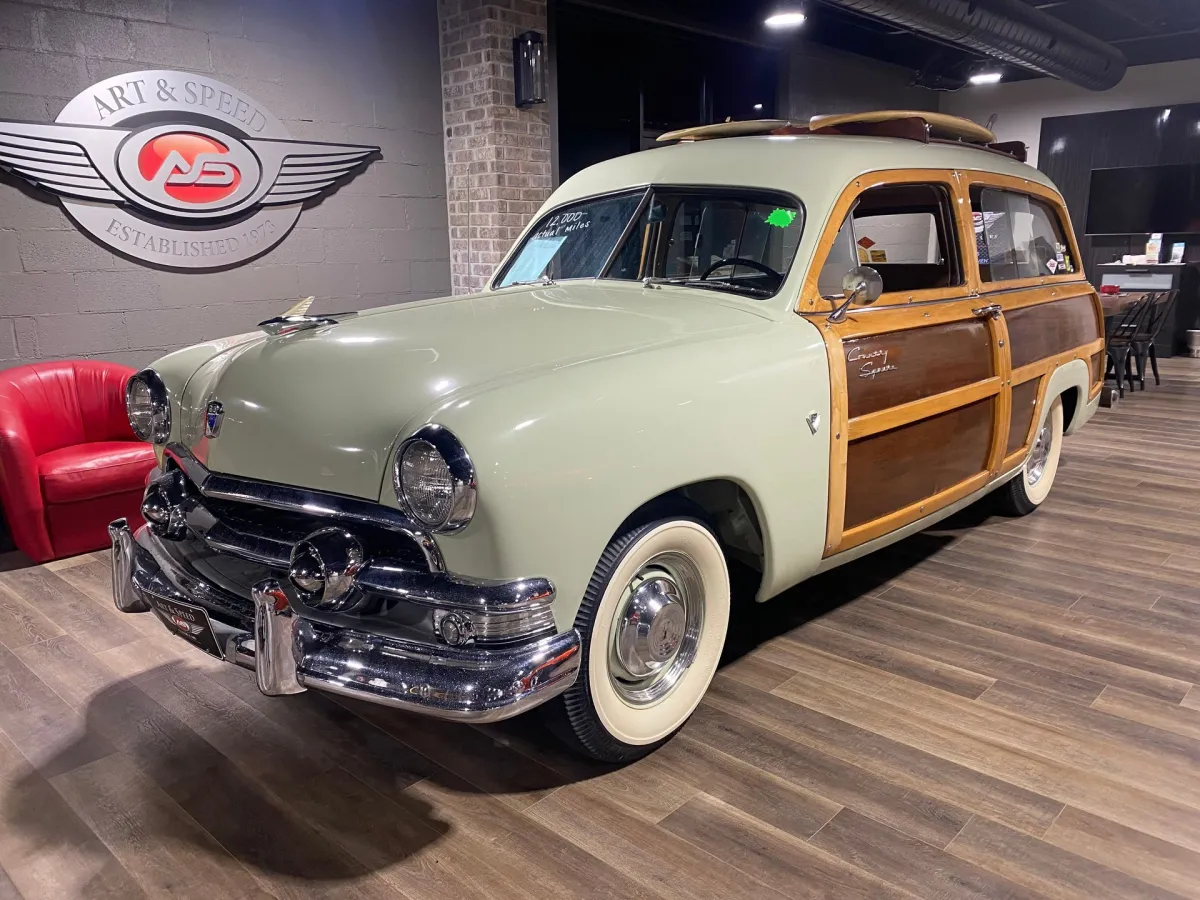 Photo: Ford Country Squire, via cdn.dealeraccelerate.com
This wasn't just transportation — it was the American Dream on wheels, wrapped in wood-grain vinyl and powered by a V8 that could tow a boat without breaking a sweat.
The station wagon ruled American driveways from the 1950s through the 1980s, serving as everything from school shuttle to camping basecamp to moving van. Then, almost overnight, it disappeared from American roads like some automotive version of the passenger pigeon.
When Bigger Meant Better
The postwar boom created a perfect storm for station wagon dominance. Families were growing, suburbs were sprawling, and Americans were discovering that they needed vehicles capable of hauling both people and stuff — lots of stuff.
Early wagons were utilitarian beasts, essentially pickup trucks with enclosed cargo areas. But by the 1960s, manufacturers had figured out that families wanted both capability and comfort. The result was a generation of vehicles that could seat eight people, carry a week's worth of vacation gear, and still cruise comfortably at highway speeds.
Chevrolet's Kingswood Estate, Ford's Country Squire, and Oldsmobile's Vista Cruiser became the defining vehicles of suburban America. These weren't just cars — they were lifestyle statements, announcing to the world that you had arrived at middle-class prosperity.
The Golden Age of Family Hauling
The 1970s represented the absolute peak of station wagon culture. These vehicles had evolved into genuine luxury machines, offering features that would make modern SUV owners jealous. Third-row seating that actually fit adults, cargo areas large enough to sleep in, and those iconic wood-grain panels that somehow made a practical family hauler look sophisticated.
Ford's Country Squire stretched over 19 feet long and could swallow an entire Little League team plus equipment. The rear-facing third seat became a rite of passage for American kids, offering a backwards view of the world and the thrill of making faces at following drivers.
These wagons enabled a particular kind of American childhood. Summer road trips where the whole family could spread out, camping expeditions where you could pack everything including the kitchen sink, and those legendary grocery runs where Mom could fit a week's worth of shopping for a family of six without even folding down the seats.
The Cultural Phenomenon
Station wagons weren't just vehicles — they were cultural touchstones. Movies like "National Lampoon's Vacation" turned the family wagon into comedy gold, but they also captured something real about American family life. The wagon was where kids fought over seating arrangements, where parents had serious conversations during long drives, and where families created their most lasting memories.
The wood-grain paneling became iconic, a design choice that somehow made these massive vehicles feel warm and approachable. It was fake wood, of course, but it represented something authentic about American family values — practical, durable, and just a little bit fancy.
Even the loading rituals became part of American culture. Dad meticulously arranging luggage in the cargo area, the eternal debate over whether the dog rode inside or in the way-back, and the careful choreography of fitting everything for a family vacation.
The Beginning of the End
By the early 1980s, cracks were showing in the wagon's dominance. Rising gas prices made those big V8 engines expensive to feed. Changing safety regulations made the vehicles heavier and less efficient. But the real killer was something nobody saw coming: the minivan.
Chrysler's 1984 introduction of the Plymouth Voyager and Dodge Caravan offered everything families loved about wagons — space, versatility, comfort — with better fuel economy and easier entry and exit. Suddenly, the station wagon looked old-fashioned.
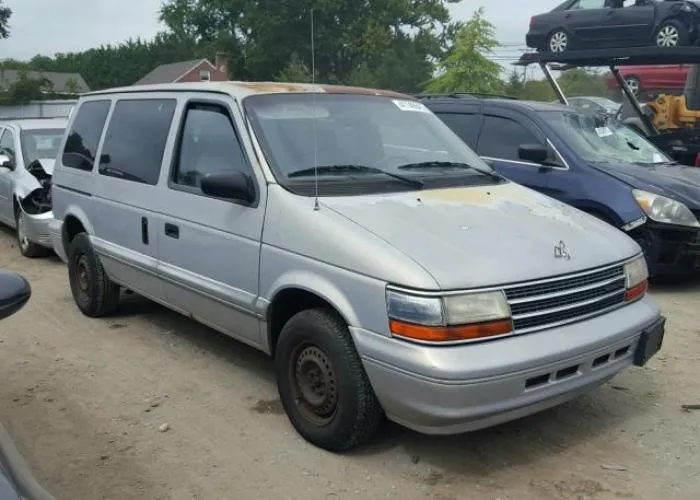 Photo: Plymouth Voyager, via carsot.com
The shift was remarkably quick. Families who had sworn by wagons found themselves drawn to the higher seating position and sliding doors of minivans. By the late 1980s, wagon sales were in free fall.
The SUV Revolution
Just as minivans were establishing their dominance, another challenger emerged: the SUV. Originally designed for off-road work, vehicles like the Chevy Suburban and Ford Explorer began appearing in suburban driveways, offering the space of a wagon with the rugged image of a truck.
The SUV boom of the 1990s delivered the final blow to station wagon culture. Why drive something that looked like a grocery-getter when you could pilot something that suggested weekend adventures and outdoor capability, even if you never left the pavement?
What We Lost
The death of the station wagon represented more than just a shift in automotive preferences — it marked the end of a particular kind of American optimism. Wagons were designed for families that planned to stay together, for road trips that lasted weeks, for a lifestyle that prioritized shared experiences over individual convenience.
Modern SUVs and crossovers offer similar cargo capacity, but they've lost something essential. The low loading height that made wagons genuinely practical for everyday use. The car-like handling that made them pleasant to drive. The unpretentious honesty of a vehicle designed purely for family utility.
Most of all, they've lost the cultural meaning. Station wagons represented a time when American families embraced their suburban, middle-class identity without irony. They were proud to drive something that announced their priorities: family, practicality, and the occasional adventure.
The Unexpected Revival
Interestingly, station wagons never really died — they just moved upmarket and overseas. European manufacturers like Audi, BMW, and Volvo continued developing wagons, creating vehicles that combined the utility of traditional American wagons with luxury and performance.
These modern wagons have found a small but devoted following among American buyers who appreciate their combination of practicality and sophistication. But they remain niche products, expensive alternatives to the SUVs that dominate American roads.
Looking Back
The station wagon's rise and fall tells a larger story about changing American values and aspirations. For three decades, these vehicles perfectly captured a particular moment in American life — prosperous, family-centered, and unapologetically suburban.
Their disappearance marked the end of that era, replaced by vehicles that prioritize individual comfort over family togetherness, image over utility, and personal capability over shared experience.
Somewhere in America, there's probably still a Country Squire in someone's garage, wood grain faded but still intact, waiting for one more family road trip that will never come. It's a monument to a time when American families thought bigger was better, when practicality was its own kind of luxury, and when the journey really was as important as the destination.