Then vs Now. The World Has Changed More Than You Think.

Era Gateway

Then vs Now. The World Has Changed More Than You Think.


Latest Articles

Grease, Gut Feeling, and a Guy You Trusted: The Slow Death of the Neighborhood Mechanic
Technology

Grease, Gut Feeling, and a Guy You Trusted: The Slow Death of the Neighborhood Mechanic

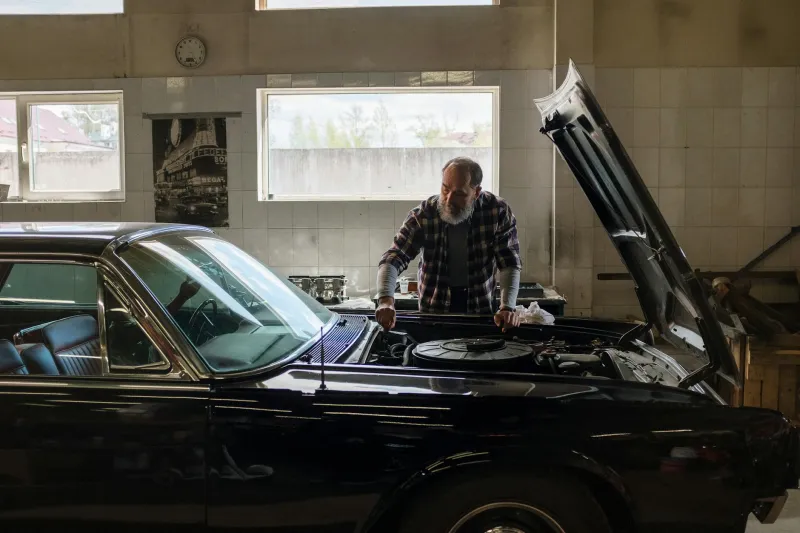
There was a time when your mechanic knew your name, your car, and probably your whole family. Today, fixing a modern vehicle often requires software licenses and dealer-only diagnostic tools that even experienced independent shops can't always access. Something real was lost in that transition — and most of us barely noticed it happening.

Shake Hands with the Salesman: How Buying a Car Went From an All-Day Ordeal to a Few Clicks
Technology

Shake Hands with the Salesman: How Buying a Car Went From an All-Day Ordeal to a Few Clicks

Buying a car in the 1970s and 80s meant stepping into a dealership armed with almost no information and leaving hours later — exhausted, uncertain, and probably paying more than you should have. Today, the entire process can happen from your couch. Here's how dramatically the power dynamic shifted.

From Speedometer to Surveillance: The Quiet Revolution Inside Your Car's Dashboard
Finance

From Speedometer to Surveillance: The Quiet Revolution Inside Your Car's Dashboard

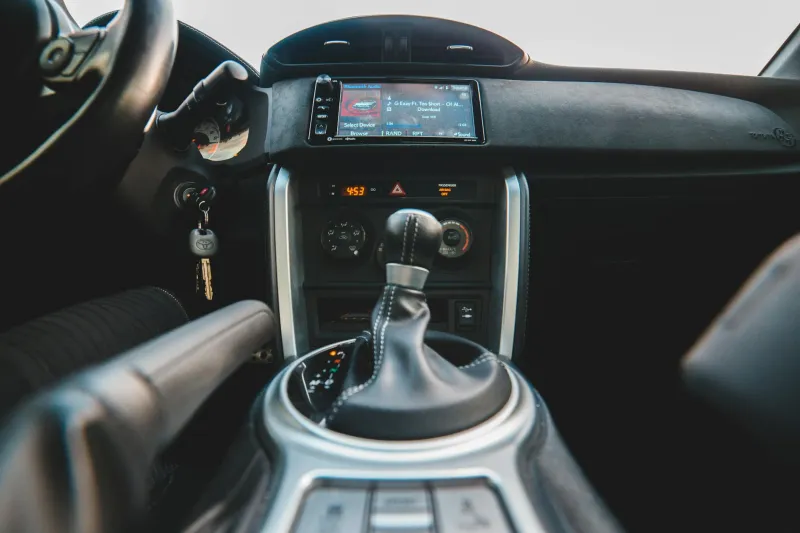
In 1985, your car's dashboard told you how fast you were going and whether you needed gas. That was about it. Today's vehicles are rolling data centers — monitoring your driving habits, syncing with your phone, and sharing information with manufacturers, insurers, and marketers. The question is whether most drivers have any idea.

Burma Shave Signs and Motor Lodges: What the American Road Trip Used to Actually Be About
Travel

Burma Shave Signs and Motor Lodges: What the American Road Trip Used to Actually Be About

The mid-century American road trip wasn't just a way to get somewhere — it was the whole point. Roadside attractions, motor lodges, and the unexpected detour defined the experience. Today's GPS-guided, app-reviewed, fast-charged journey is a different animal entirely — and something has quietly been lost along the way.

The Car That Could Kill You: How Five Decades of Safety Engineering Changed Everything
Technology

The Car That Could Kill You: How Five Decades of Safety Engineering Changed Everything

In 1972, more than 54,000 Americans died in traffic accidents — a number so staggering it's hard to process. The cars of that era weren't just lacking modern safety features; in many ways, they were actively dangerous. The story of how automotive engineering responded to that crisis is one of the most consequential — and underappreciated — chapters in American public health history.

Was Buying a Car Actually Cheaper Back Then? The Numbers Tell a More Complicated Story
Finance

Was Buying a Car Actually Cheaper Back Then? The Numbers Tell a More Complicated Story

Ask most Americans whether cars were more affordable in their parents' generation and you'll almost always get the same answer: of course they were. But when you run the actual numbers — adjusting for wages, inflation, and what you were really getting for your money — the picture that emerges is far more complicated, and a lot more interesting, than simple nostalgia suggests.

Gas Stations, Paper Maps, and No AC: What a Cross-Country Drive Actually Looked Like 60 Years Ago
Travel

Gas Stations, Paper Maps, and No AC: What a Cross-Country Drive Actually Looked Like 60 Years Ago

The American road trip has always been a rite of passage, but the experience of driving coast to coast in 1963 versus today are almost unrecognizable from one another. From hand-folded maps and unreliable engines to real-time traffic updates and built-in Wi-Fi hotspots, the open road has been quietly and completely reinvented. Buckle up — the contrast is more dramatic than you'd expect.