Fifty Shades of Beige: The Quiet Death of Color in the American Car Market
Photo: tichnor bros. lusterchrome, Public domain, via Wikimedia Commons
Pull up a photo of any American parking lot from the 1970s and it almost looks fake. There's a harvest gold Oldsmobile next to a burnt orange Ford Pinto, a seafoam green Chevy Impala parked alongside a plum-colored Dodge Dart. The whole scene looks like someone let a toddler loose with a paint set. Now pull up a photo of any parking lot today. Grays. Blacks. Whites. The occasional dark blue if someone was feeling adventurous. The chromatic explosion that once defined American car culture has quietly, almost completely, disappeared — and most people haven't even noticed.
When Color Was a Statement
Back in the postwar boom years, automakers understood something important: buying a car was an emotional decision, and color was part of the pitch. General Motors hired fashion consultants. Ford released annual color palettes the way clothing brands drop seasonal collections. Chrysler offered hues with names that read like cocktail menu items — Turbine Bronze, Formal Black, Mist Blue. Buying a car in 1965 meant making a choice about who you were. Your color said something about you before you even rolled down the window.
By the late 1970s and into the 1980s, the palette was still remarkably wide. Two-tone paint jobs were common. Reds were genuinely red — not burgundy-adjacent, but fire-engine, stop-sign red. Greens ranged from forest dark to almost neon. Yellows existed. Actual yellows. The roads were alive with personality.
Something changed in the 1990s, and it happened gradually enough that most people didn't clock it until the transformation was nearly complete.
The Economics of Blandness
Manufacturers didn't abandon bold color because consumers demanded beige. It happened because of a quiet but relentless push toward efficiency on the production side. Maintaining dozens of paint options across multiple model lines is expensive. Each color requires dedicated inventory, separate mixing systems, extended changeover times on assembly lines, and added complexity in the supply chain. When automakers started looking for places to trim costs without cutting features that showed up on spec sheets, the color catalog was an obvious target.
At the same time, the rise of global car platforms made things worse. A model built for markets in North America, Europe, and Asia simultaneously needs to appeal broadly — and broadly, it turns out, means safely. White resells well everywhere. Silver hides minor scratches. Black looks premium. Gray feels modern. These aren't colors chosen because anyone loves them. They're colors chosen because nobody hates them enough to walk away.
The resale market reinforced the trend. Used car guides and dealer trade-in systems started factoring color into valuations, and the data was clear: unusual colors depreciated faster. Buyers who planned to sell their car in three to five years started choosing silver not because they wanted silver, but because they didn't want to lose money on a teal Tahoe. The market punished individuality, and eventually, people stopped trying.
What the Numbers Actually Show
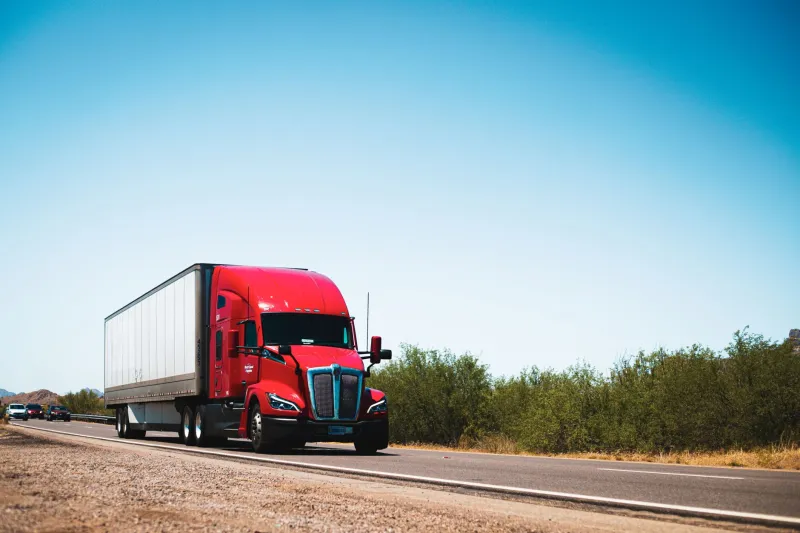
Axalta, one of the world's largest automotive paint suppliers, publishes an annual color popularity report that reads like a slow-motion funeral for the rainbow. In 2023, white, black, gray, and silver together accounted for roughly 81 percent of all vehicles produced globally. In North America, that figure is similarly grim. Red — once the definitive color of American muscle and freedom — sits at around 9 percent. Every other color combined barely makes up the rest.
Compare that to 1970, when industry surveys showed dozens of colors each holding meaningful market share. Automakers routinely offered 30 to 40 distinct paint options per model year. Today, most manufacturers offer somewhere between 8 and 12, and half of those are variations on gray.
The EV Effect and the Subscription Wrinkle
Electric vehicles were supposed to bring some excitement back. Tesla launched with a bold palette and made color a talking point. But even that experiment has contracted — Tesla eliminated several colors from its lineup and started charging premium prices for anything outside basic white. BMW briefly introduced a color-changing concept car. Porsche will sell you a very specific shade of blue for a few thousand extra dollars. Color, it seems, has become a luxury feature rather than a standard expression.
There's also a strange new development: some manufacturers are exploring subscription-based color changes using electrochromic paint technology. You could, theoretically, pay a monthly fee to change your car's color via an app. Whether that counts as a return of personal expression or its ultimate commodification is a question worth sitting with.
What We Actually Lost
The disappearance of automotive color isn't just an aesthetic footnote. It reflects something broader about how consumer culture shifted from self-expression toward risk-averse conformity. The avocado green refrigerator was replaced by stainless steel. The harvest gold kitchen gave way to white subway tile. The burnt orange Camaro became a platinum gray crossover. In each case, the choice that felt safe won over the choice that felt like you.
There's something genuinely poignant about a 1972 Dodge Dart in Hemi Orange sitting at a car show today. People gather around it not just because it's old, but because it's loud in a way that nothing on a modern dealership lot is. It made a choice. It took a stance. It committed to being a specific, unapologetic thing.
Today's cars are very good at many things. They're safer, more efficient, smarter, and more comfortable than anything built in the era of avocado paint and two-tone rooflines. But somewhere along the way, the decision about what color to drive stopped feeling like self-expression and started feeling like a transaction. The roads got safer. The parking lots got quieter. And the color drained out so slowly that most of us never thought to miss it.