America's Forgotten Third Room: When Garages Built Things Instead of Storing Junk
The Workshop That Every House Had
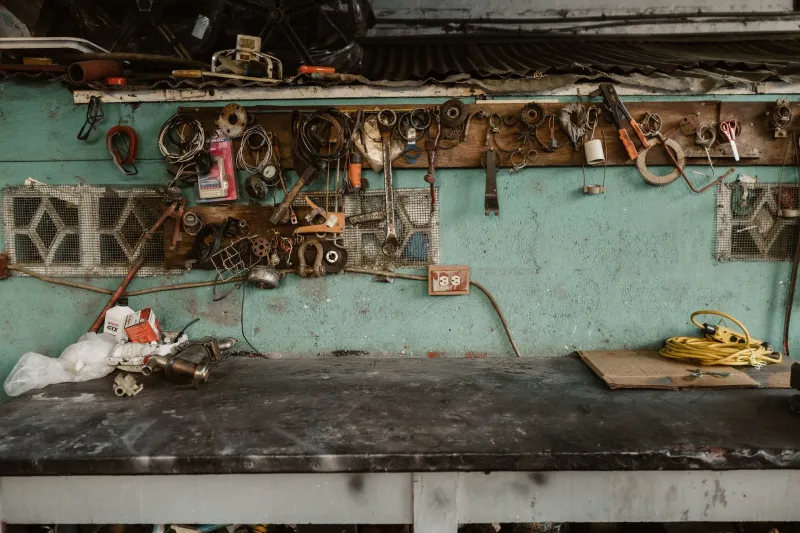
Step into any suburban garage in 1965, and you'd find something remarkable: actual tools being used by people who knew how to use them. Pegboards lined with wrenches, screwdrivers, and hammers—not for decoration, but for weekend projects that kept families self-sufficient. The workbench wasn't a place to stack mail; it was command central for fixing everything from lawnmowers to bicycles to the family car.
Back then, the garage served as America's unofficial university of practical skills. Fathers taught sons how to change oil, rebuild carburetors, and understand the mechanical world around them. Neighbors gathered on Saturday mornings to help each other tackle projects, sharing tools and knowledge in a culture that valued making and fixing over buying and replacing.
When Cars Actually Lived in Garages
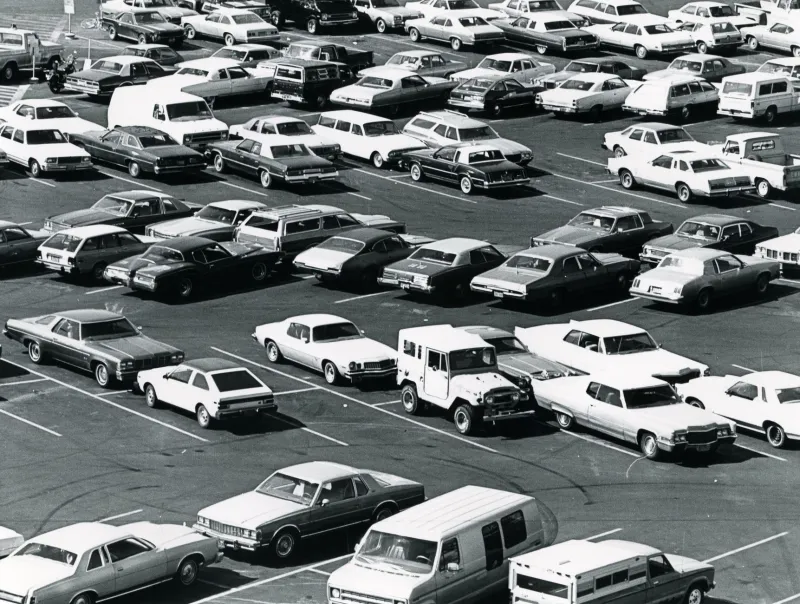
The most obvious change is also the most telling: cars used to live in garages. Not just expensive cars or show cars, but regular family vehicles. The garage was designed and used for its intended purpose—protecting your investment from weather and theft while providing easy access for maintenance.
Today, according to recent surveys, only about 40% of Americans actually park their cars in their garages. The rest have been converted into storage units for the overflow of modern consumer life. Amazon boxes, holiday decorations, exercise equipment that never gets used, and the accumulated detritus of prosperity have pushed the automobile out of its own home.
The Rise of the Project Culture
Post-war American garages were the birthplace of countless innovations and hobbies. This was where Hewlett and Packard started their company, where Steve Jobs and Steve Wozniak built the first Apple computers, and where millions of less famous Americans pursued woodworking, metalworking, and mechanical tinkering that kept their households running smoothly.
 Photo: Steve Wozniak, via www.hafakot.co.il
 Photo: Steve Jobs, via thumbs.dreamstime.com
 Photo: Hewlett and Packard, via www.fahrzeugbilder.de
The garage workbench was where children learned that things could be understood, disassembled, and put back together. It was an education in cause and effect, problem-solving, and the satisfaction of fixing something with your own hands. These weren't just hobbies; they were essential life skills in an era when calling a repair service for every broken appliance wasn't economically feasible or culturally expected.
The Death of Mechanical Intuition
What we've lost isn't just workspace—it's mechanical intuition. The generation that grew up in garage workshops developed an understanding of how things work that went far beyond their specific projects. They could look at a broken device and intuitively understand what might be wrong, because they'd spent years taking things apart and putting them back together.
Today's garage, filled with sealed cardboard boxes and plastic storage containers, produces no such learning. Children grow up in homes where the garage is a place to avoid—cluttered, dusty, and disconnected from daily life. The tools that remain are often unused, purchased with good intentions but lacking the cultural context that made them essential rather than optional.
From Makers to Buyers
The transformation of the American garage reflects a broader cultural shift from making to buying, from repairing to replacing. When something breaks today, we're more likely to order a replacement online than to figure out how to fix it. This isn't necessarily laziness—modern devices are often designed to be unrepairable, and the economics of labor versus replacement costs have shifted dramatically.
But something essential has been lost in this transition. The garage workshop was where Americans developed what we might call "maker confidence"—the belief that they could understand, modify, and improve the physical world around them. This confidence extended far beyond mechanical projects into general problem-solving and innovation.
The New Garage Economy
Today's garages serve the Amazon economy rather than the maker economy. They're temporary storage for packages, seasonal items, and the endless accumulation of goods that define modern consumer life. Instead of creating value through making and repairing, they store value through purchasing and accumulating.
The irony is striking: we have more tools available to us than ever before, yet fewer people know how to use them. Home improvement stores are filled with sophisticated equipment that would have amazed the garage tinkerers of the 1960s, but much of it sits unused because we've lost the culture of hands-on learning that made those tools meaningful.
What We're Trying to Reclaim
The recent "maker movement" and the popularity of DIY YouTube channels suggest that many Americans hunger for the hands-on engagement that garages once provided. Makerspaces and community workshops attempt to recreate what individual garages once offered: access to tools, knowledge, and the satisfaction of creating something tangible.
But these institutional solutions, valuable as they are, can't fully replace what we lost when garages stopped being workshops. The convenience of having tools and workspace steps away from the kitchen, the ability to work on projects over time, and the integration of making into daily family life—these advantages of the home workshop are harder to replicate in shared spaces.
The Cluttered Present
Walk into most American garages today, and you'll find a museum of good intentions: exercise bikes that became clothes hangers, craft supplies for projects never started, and boxes of items that were too valuable to throw away but too useless to keep in the house. The space that once hummed with productivity has become a monument to consumer culture's promises and failures.
This isn't just about organization or storage solutions. It's about a fundamental change in how Americans relate to their physical environment. We've become curators of purchased goods rather than creators of useful things, and our garages reflect this shift from active engagement to passive accumulation.
The garage workshop didn't just produce fixed cars and handmade furniture—it produced people who understood that the world could be shaped by their own hands. In trading that capability for convenience, we may have gained efficiency, but we've lost something harder to quantify: the confidence that comes from knowing you can make things work.