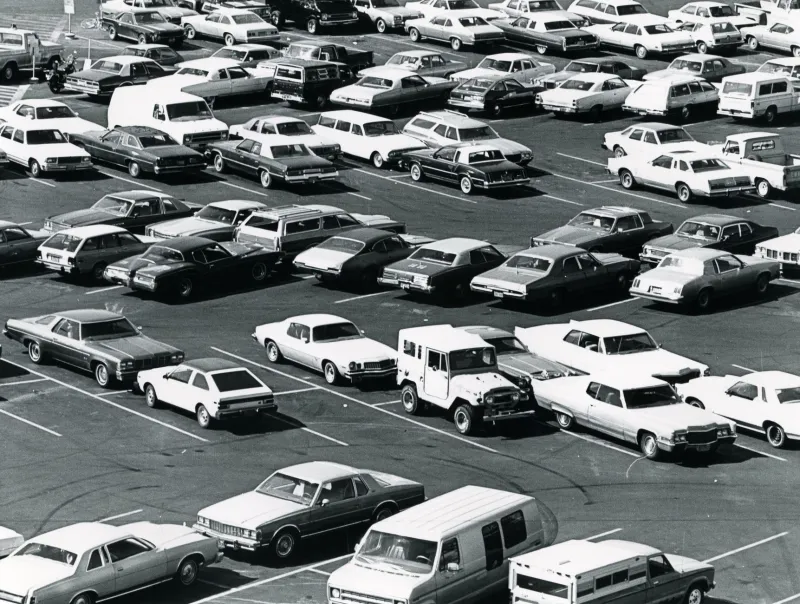
Trunk Confidence: The Quiet Disappearance of the Full-Size Spare
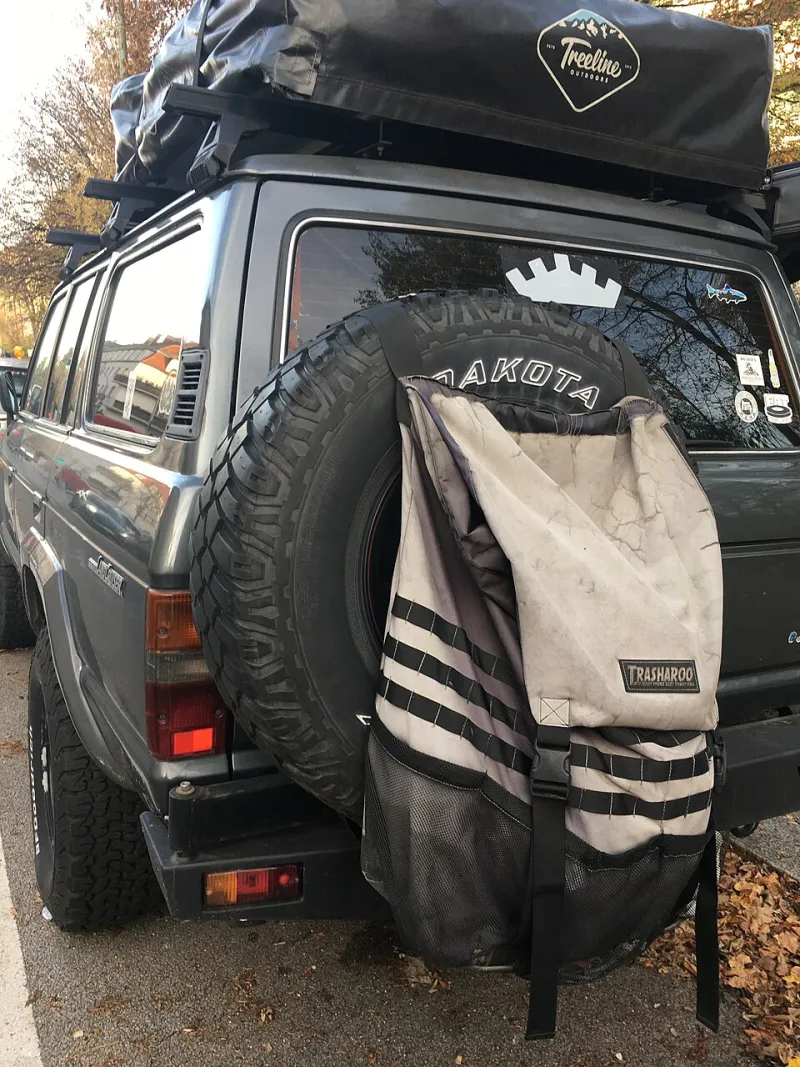
Photo: Pittigrilli, CC BY-SA 4.0, via Wikimedia Commons
There's a particular kind of calm that comes from knowing you're prepared. Decades ago, American drivers had it built right into their vehicles. Pop the trunk, lift the mat, and there it was — a full-size spare tire, identical to the four already spinning under the car. No negotiating with a roadside app. No waiting an hour for a tow. Just a jack, a lug wrench, and twenty minutes of elbow grease.
That confidence didn't disappear overnight. It was quietly engineered away, one model year at a time, until millions of drivers found themselves on the shoulder of an interstate holding a can of tire foam and wondering what exactly they were supposed to do next.
What the Trunk Used to Promise
Through most of the twentieth century, a full-size spare was as standard as a steering wheel. American roads — especially outside cities — were long, lonely, and unpredictable. Blowouts happened. Nails happened. Gravel happened. And the assumption was simple: if you drove, you needed a backup.
For a lot of families, changing a tire was practically a rite of passage. Dads taught kids how to loosen lug nuts before they ever had a license. The spare wasn't just a piece of equipment — it was a symbol of self-reliance. You didn't need to call anyone. You didn't need to wait. You just handled it.
Gas stations kept air pumps running and mechanics nearby. But the real safety net wasn't out there on the road — it was in your own trunk. That mattered psychologically as much as practically.
How the Donut Took Over
The first real crack in the full-size spare tradition came with the compact spare — the so-called "donut." Smaller, lighter, and cheaper to manufacture, these temporary replacements started appearing in the 1970s and became widespread by the 1980s. They came with restrictions printed right on the sidewall: Do not exceed 50 mph. For temporary use only. Replace as soon as possible.
Drivers accepted them because they still solved the immediate problem. You could limp to a tire shop, get the real tire patched or replaced, and move on. It wasn't ideal, but it worked.
Then came the next step — and this one was harder to swallow. Automakers began shipping vehicles with no spare at all. Instead, they included a small electric air compressor and a can of tire sealant. The pitch was practical: lighter vehicle weight means better fuel economy, and better fuel economy means better EPA ratings, which means better sales numbers. The math worked for manufacturers. For drivers stranded with a sidewall tear that sealant couldn't touch, it worked considerably less well.
The Numbers Behind the Decision
Removing a full-size spare saves between 30 and 50 pounds from a vehicle's curb weight. That translates to a measurable — if modest — improvement in fuel efficiency. In an era of tightening federal mileage standards and consumer demand for better MPG, every pound counted.
There was also the matter of trunk space. Crossovers and SUVs became America's favorite vehicles in part because buyers wanted cargo room. A full-size spare sitting in an underfloor well chewed into that space. Eliminating it meant a flatter load floor and more room for strollers, groceries, and weekend gear.
Run-flat tires entered the picture as a premium alternative — tires reinforced with stiffer sidewalls that allow a vehicle to continue driving for a limited distance even after losing pressure. They solve the immediate problem but come with their own trade-offs: a harsher ride, significantly higher replacement cost, and the fact that not every tire shop stocks them.
What Drivers Actually Experience Today
Here's the part that gets uncomfortable. A 2022 survey by AAA found that a significant portion of American drivers don't know how to change a tire — and an increasing share of vehicles don't even give them the option. When a flat happens on a dark stretch of highway at 11 p.m., the gap between what people expect and what they actually have becomes very real.
Roadside assistance subscriptions have grown in part to fill that gap. AAA membership, manufacturer-included roadside packages, and third-party apps have all expanded their reach. The infrastructure exists. But it's a system that depends on cell coverage, response times, and the availability of a tow truck in your area — none of which are guaranteed.
Drivers in rural states feel this most acutely. A AAA truck in rural Montana or West Texas isn't arriving in twenty minutes. That's exactly the kind of situation a full-size spare was designed for.
 Photo: West Texas, via i.pinimg.com
The Shift Nobody Voted For
What's striking about this change is how quietly it happened. There was no public debate, no consumer campaign, no moment when drivers collectively decided they no longer wanted a backup plan in the trunk. Automakers made the call, framed it as a feature rather than a removal, and moved on.
Some manufacturers do still include full-size spares, particularly on trucks and larger SUVs where weight and space constraints are less severe. And buyers who want one can often add it as an option — if they know to ask, which most don't.
The shift says something interesting about how the automotive industry manages expectations. When a feature disappears gradually, across many brands, over many years, it stops feeling like a loss. It just becomes the new normal.
A Different Kind of Confidence
There's nothing wrong with roadside assistance. It works. Modern tires are more durable than anything rolling under a 1967 Chevrolet Impala, and blowouts are genuinely less common than they used to be. The math of probability says most drivers will never need that spare.
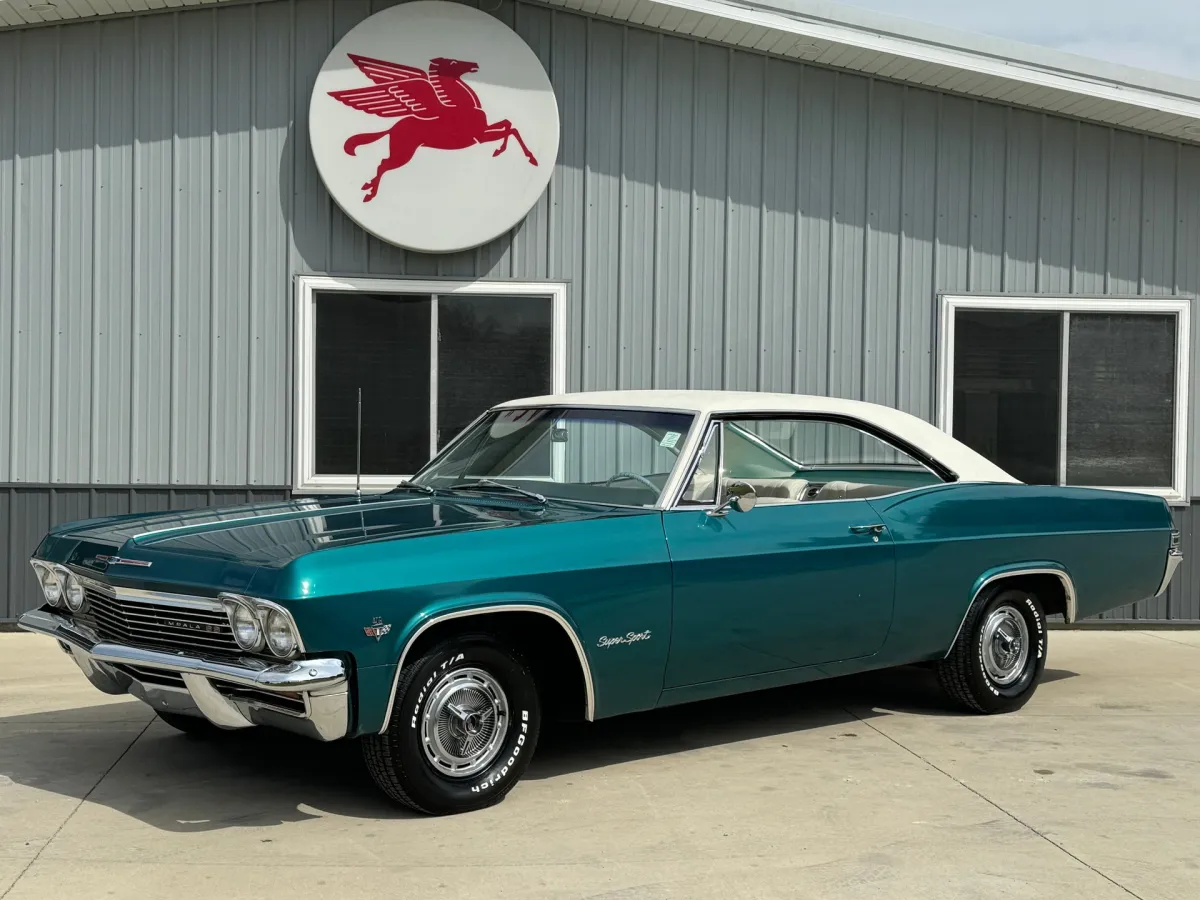 Photo: Chevrolet Impala, via cdn.dealeraccelerate.com
But probability isn't the same as preparation. The full-size spare wasn't just about fixing a flat — it was about the relationship between a driver and their vehicle. It was the feeling that you had everything you needed to handle whatever the road threw at you, without pulling out a phone or waiting on a stranger.
That feeling is harder to put in a trunk. And apparently, it's even harder to keep there.