The Price Tag Used to Be a Secret: How Car Buyers Finally Got the Upper Hand

Walk into a car dealership in 1978 and look at that sticker in the window. That number — the Manufacturer's Suggested Retail Price — might as well have been handed down from the mountain. You had no idea what the dealer paid for the car. You had no idea what the guy who bought the same model last Tuesday paid. You had no idea what the lot across town was charging. You had nothing except the salesman's handshake and your own willingness to walk.
For most of the 20th century, buying a car was one of the most lopsided financial transactions in American life. And the dealer knew it.
What You Didn't Know Could Definitely Hurt You
The information gap in car buying wasn't an accident — it was a business model.
Dealers had access to their actual invoice price, which was sometimes thousands of dollars below the sticker. They understood holdbacks — the manufacturer rebates paid to dealers after the sale, quietly padding margins that buyers never saw. They knew what financing rates they could mark up, and by how much. Buyers, meanwhile, walked in armed with nothing but a rough sense of what felt like too much money.
The only real leverage a buyer had was the threat of leaving. And dealerships were designed specifically to make leaving feel uncomfortable. Long waits in the finance office. Coffee. Casual conversation. The sense that you'd already invested three hours and leaving meant starting over somewhere else with someone equally well-armed.
Consumer advocates in the 1980s tried to chip away at this. Books like What Car Dealers Won't Tell You became minor bestsellers among people who suspected the deck was stacked. Some buyers started calling multiple dealerships before visiting any of them, writing down quotes on legal pads and hoping the numbers held when they showed up in person. It was slow, awkward, and easy to game.
The power imbalance was so deeply baked into the system that most Americans simply accepted it. You didn't beat the dealer. You just hoped you didn't lose too badly.
The Internet Didn't Just Change Things — It Flipped the Table
The first real crack in the wall came in the mid-1990s when services like Edmunds and Consumer Reports began publishing invoice pricing data online. For the first time in automotive retail history, an ordinary buyer could sit at a desktop computer and find out roughly what a dealer actually paid for a vehicle before setting foot on the lot.
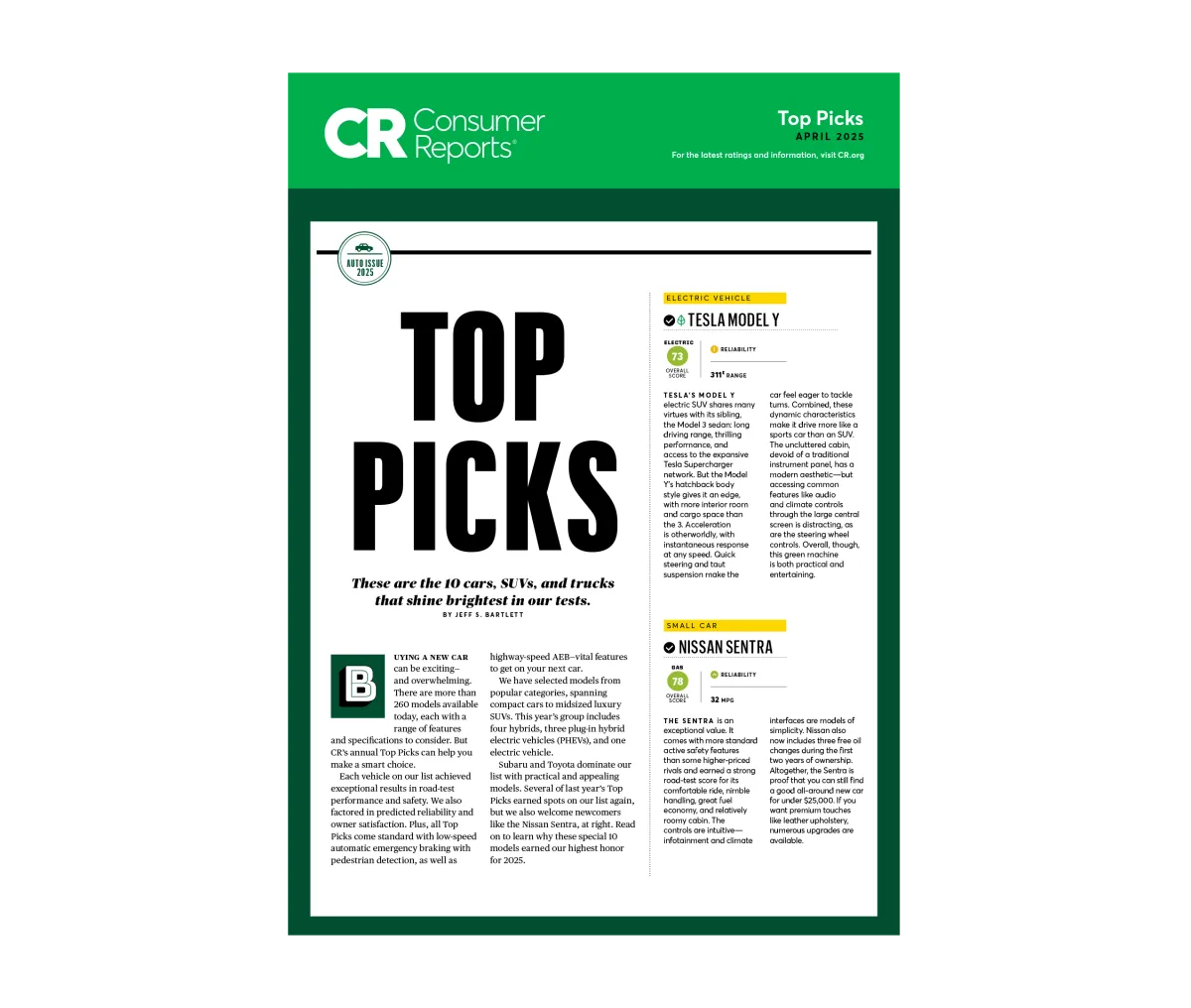 Photo: Consumer Reports, via dealerimages.dealereprocess.com
The industry was not pleased.
Dealership associations pushed back. Some manufacturers tried to control the flow of pricing data. But the internet doesn't really respond to complaints, and the information kept spreading. By the early 2000s, a reasonably prepared buyer could walk into a negotiation knowing the invoice price, the current manufacturer incentives, the competing offers from three other dealers in the region, and the average transaction price for that exact trim level in their zip code.
Then came the third-party listing sites — Cars.com, AutoTrader, TrueCar — and the game changed again. Suddenly you could compare identical vehicles across dozens of dealers simultaneously, sorted by price, with real transaction data showing what people actually paid. The mystique of the sticker price collapsed almost entirely.
Today, a buyer can walk in with a printed quote from a competing dealer, a pre-approved loan from their own bank, and a Carfax report on the specific VIN they're looking at. The salesman who once held all the cards is now negotiating against a customer who did three hours of homework before arriving.
Did Buyers Actually Win — Or Did the Hidden Costs Just Move?
Here's where it gets complicated.
Transparency in the front-end price didn't eliminate the places where dealers make money. It just relocated them. The finance and insurance office — the F&I room, in industry shorthand — became the new battleground. Extended warranties, paint protection packages, gap insurance, tire-and-wheel coverage: these products carry enormous margins, and they're sold in a room where most buyers are already mentally exhausted from the negotiation they just survived.
Additional fees multiplied. Documentation fees, dealer preparation charges, market adjustment surcharges — some of these are legitimate, some are invented, and all of them are added after the price you negotiated has already been agreed upon. During the supply shortage years of 2021 and 2022, some dealers marked vehicles up by $10,000 or more above MSRP, and buyers — desperate to find inventory — paid it. Transparency about the base price didn't help much when there was only one car available.
Online platforms have also created a new kind of friction. Listings that look like great deals sometimes disappear when you call to confirm them. Prices shown online occasionally exclude fees that appear only in the finance office. The information is more available than ever, but sorting the real deals from the noise requires a level of financial literacy that not every buyer has.
What the Shift Actually Means
The transformation of car pricing from an opaque dealer monopoly to a relatively open marketplace is, on balance, genuinely good for buyers. Average transaction prices relative to invoice have compressed over the decades. Financing rates are easier to compare. The rise of direct-to-consumer brands like Tesla — which uses fixed, non-negotiable pricing — has pushed the conversation further toward simplicity.
But the idea that modern car buying is fully transparent, fully fair, and fully buyer-friendly is a little optimistic. The information asymmetry didn't disappear. It just got more sophisticated.
What changed is the baseline. A prepared buyer today has tools that would have seemed miraculous to the person squinting at a sticker price in 1978, trying to figure out whether the number in the window was real or just a starting position in a game they didn't fully understand.
Spoiler: it was always a starting position. The difference now is that buyers finally know it.