The Long Wait for the Keys: When Americans Saved Their Way to a Car Instead of Signing Their Way In
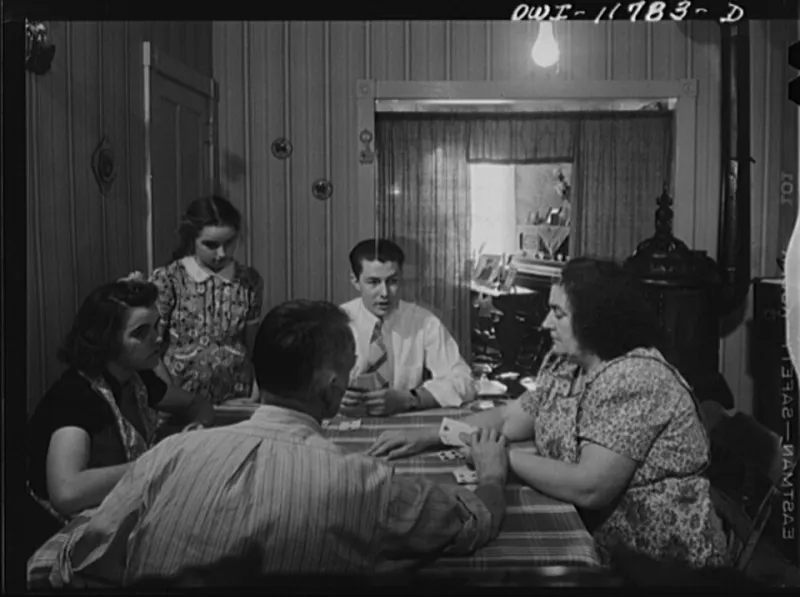
There's a photo that exists in a lot of old American family albums. It's grainy, probably black and white, and it shows someone standing next to a car — not a new car, necessarily, but their car. The expression on their face is hard to describe unless you've felt it yourself. It's not just happiness. It's something closer to relief mixed with pride. The look of a person who waited a long time for something and finally has it in their hands.
That photo tells a story about a different kind of relationship between Americans and their vehicles. One built on patience rather than paperwork.
Saving Was the System
For much of the early and mid-twentieth century, buying a car outright — or at least putting down a substantial portion of the purchase price in cash — was simply how it was done. Consumer credit existed, but it wasn't the frictionless, always-available product it is today. Banks were cautious. Terms were short. Interest rates were real enough that borrowing felt like a genuine cost rather than an abstract line on a monthly statement.
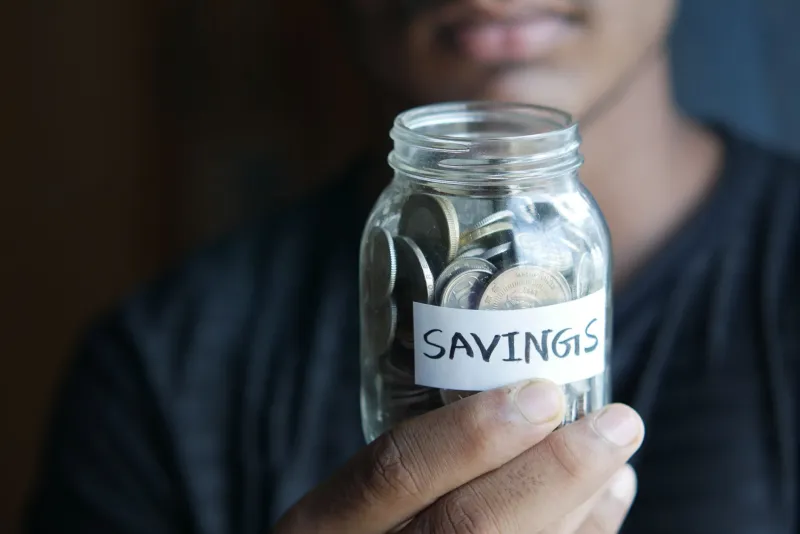
So people saved. They opened dedicated savings accounts. They cut envelopes and put cash aside every payday. Some families kept a jar on the kitchen shelf labeled with the make and model they were working toward. Kids grew up watching that jar fill slowly, understanding in a visceral way that large things required sustained effort.
For many working-class Americans, the process took years. Not months — years. And by the time they walked onto a lot with the money they'd accumulated, they weren't just buying transportation. They were cashing in on a chapter of their lives.
What the Wait Did to the Relationship
Here's something that gets lost in discussions about modern auto financing: the way you acquire something shapes how you feel about it afterward.
When you've saved for three years to buy a car, you maintain it differently. You wash it on Sunday mornings. You wince at the first scratch. You keep the interior clean not because you're naturally tidy but because that car represents something — discipline, sacrifice, a version of yourself that showed up every payday and did the right thing.
Old-timers who bought their first cars this way often describe those vehicles with a specificity and warmth that's striking. Not just the make and model, but the color, the smell of the interior, the way the door closed. The details lodge in memory when the acquisition costs something real.
That's not nostalgia distorting the truth. It's psychology. We value what we work for. And for a long stretch of American history, a car was something you genuinely worked for.
When Credit Changed the Equation
The transformation didn't happen all at once. Consumer auto lending expanded gradually through the postwar decades, then accelerated dramatically in the 1980s and 1990s as financial products became more sophisticated and competition among lenders drove terms longer and approval thresholds lower.
By the time the 2000s arrived, the standard auto loan had stretched from 36 months to 48, then 60, then 72. Today, 84-month loans — seven years — are common, and some lenders offer even longer terms. The monthly payment became the primary unit of measurement for affordability. Not the total price. Not the interest paid over the life of the loan. Just the monthly number, kept low enough to feel manageable while the total obligation quietly ballooned.
This shift made car ownership accessible to far more Americans, which is genuinely important. Transportation is not a luxury — for most people, it's a prerequisite for employment, healthcare, and participation in everyday life. The democratization of auto credit opened doors that had been closed to millions of working families.
But it also changed what the moment of acquisition felt like. When approval takes fifteen minutes and the keys are in your hand the same afternoon, there's no chapter of your life attached to the transaction. The car is yours, but it doesn't feel earned in the same way. It feels more like a subscription you've committed to — one that will follow you for the next six or seven years whether you're happy with it or not.
The Hidden Cost of Easy
The numbers behind modern auto lending tell an uncomfortable story. The average American car payment now sits above $700 per month for new vehicles. Total auto debt in the United States has crossed $1.6 trillion. A significant percentage of borrowers are underwater on their loans — meaning they owe more than the car is worth — sometimes before the first year is out.
None of that happened in the era of deliberate saving. When you paid cash, or came close to it, you didn't carry debt that outlasted the vehicle's useful life. You didn't roll negative equity from one trade-in into the next loan. You didn't find yourself locked into a payment on a car you no longer wanted or could no longer afford.
The old system was slower and harder. It excluded people who couldn't accumulate savings, which was a real and serious limitation. But it also created a natural brake on overextension. You couldn't buy more car than you could actually save for.
What That Jar on the Shelf Was Really Teaching
Look at that family photo again. The person standing next to the car isn't just proud of the vehicle. They're proud of themselves. The car is proof of something about their character — their ability to plan, to delay gratification, to follow through.
That lesson doesn't transfer when the approval is instant and the obligation is invisible. Today's car buyer often knows their monthly payment before they know the total price. The financial reality of what they've committed to takes months to fully register.
Something was lost when the jar came down from the shelf. Not just a savings habit — a whole framework for understanding what ownership means and what it costs. The keys still arrive. But the feeling that used to come with them is a little harder to find.