The Dashboard Revolution: How Cars Evolved From Transportation to Command Centers
When Cars Just Helped You Drive
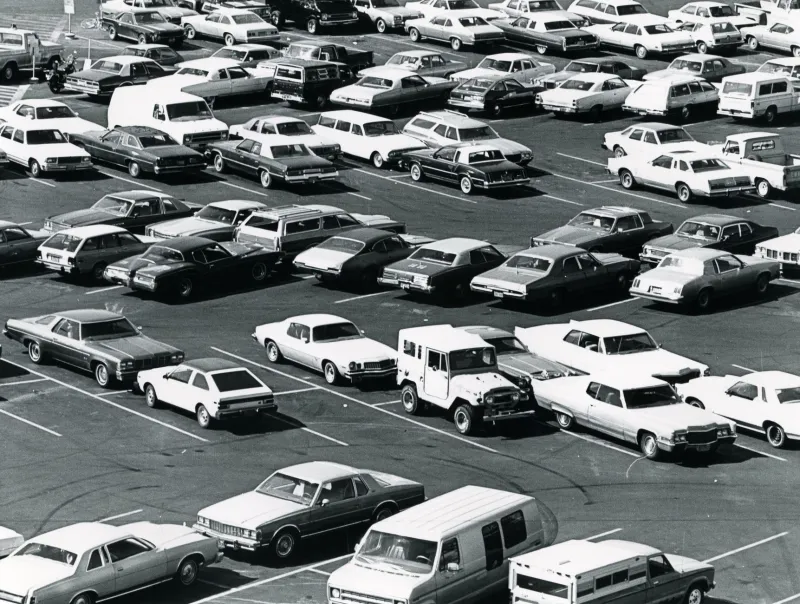
Open the door of a 1975 Chevrolet Impala and you'd find an interior designed around a single purpose: getting from point A to point B. The dashboard held a speedometer, fuel gauge, temperature indicator, and maybe an AM/FM radio if you were lucky. The cigarette lighter served its intended purpose, and the glove compartment actually held gloves—along with registration papers, a flashlight, and perhaps a road atlas.
 Photo: Chevrolet Impala, via imgcdn.stablediffusionweb.com
This wasn't primitive design; it was focused design. Every element in that car's interior had a clear function related to the act of driving. The bench seat positioned you behind a steering wheel connected directly to the front wheels. The gauges told you what you needed to know about the car's condition. Everything else was considered a luxury or distraction.
The Ashtray Era and What It Represented
Every car built before 1990 came equipped with not just one ashtray, but usually three or four. The dashboard ashtray, door ashtrays, and rear seat ashtrays weren't just accommodating smokers—they represented a fundamentally different relationship between humans and their vehicles. Cars were places where people engaged in human activities: smoking, talking, thinking, and simply being present in the moment.
The cigarette lighter itself became a universal power source for the few electrical accessories people actually used: maybe a CB radio, a radar detector, or one of those early cell phones that looked like military field equipment. The 12-volt outlet was an afterthought, not the nerve center of a mobile electronics ecosystem.
When Your Car Couldn't Spy on You
Those older vehicles operated on a beautifully simple principle: they responded to your inputs and left you alone otherwise. Press the gas pedal, and the car accelerated. Turn the steering wheel, and the wheels turned. The car had no opinion about where you were going, how fast you should drive, or whether you'd remembered to buckle your seatbelt.
Modern vehicles, by contrast, are constantly gathering data about your driving habits, location history, and personal preferences. They know when you typically drive to work, how often you exceed the speed limit, and which radio stations you prefer. This information gets stored, analyzed, and often transmitted to manufacturers, insurance companies, and law enforcement agencies without your explicit knowledge.
The Screen Takeover
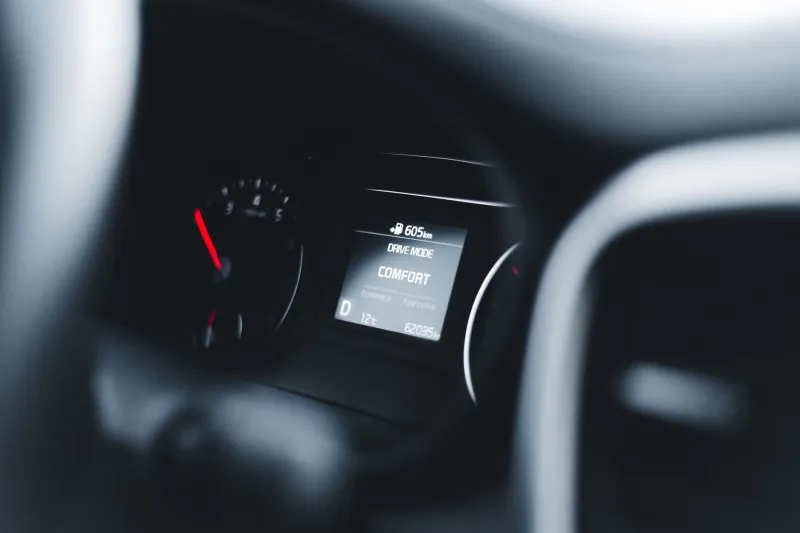
Today's car interiors are dominated by displays that would have seemed like science fiction to drivers from the analog era. The average new vehicle now contains multiple screens showing everything from navigation maps to social media feeds. The traditional gauge cluster has been replaced by customizable digital displays that can show dozens of different metrics about vehicle performance, energy consumption, and connectivity status.
But here's the paradox: despite having access to vastly more information, many drivers feel less connected to their vehicles than previous generations. The direct mechanical feedback that once told you exactly what your car was doing has been replaced by digital interpretations of sensor data. You don't feel the road through the steering wheel anymore—you read about road conditions on a screen.
The Productivity Trap
Modern car interiors reflect our culture's obsession with maximizing productivity and staying connected at all times. Wireless charging pads ensure your phone never dies. Wi-Fi hotspots let passengers work during commutes. Voice-activated systems allow drivers to send emails, schedule appointments, and order groceries without taking their hands off the wheel.
This transformation has turned the car into an extension of the office and home, eliminating one of the last spaces where Americans could simply exist without being productive. The daily commute, once a brief respite from constant connectivity, has become another opportunity to multitask and optimize.
Climate Control vs. Rolling Down the Window
The evolution from manual windows and basic heaters to multi-zone climate control systems illustrates how cars have become increasingly complex in pursuit of comfort. Modern vehicles can maintain different temperatures for driver and passenger, filter outside air through multiple stages, and automatically adjust based on exterior conditions and solar load.
Yet many drivers miss the simple satisfaction of rolling down a window with a hand crank, feeling immediate control over their environment. The automatic climate systems, while more sophisticated, often leave people feeling disconnected from the world outside their vehicle. The mediated experience of perfectly controlled air has replaced the direct experience of weather, seasons, and geography.
The Navigation Revolution and Its Costs
Built-in GPS systems have eliminated the need for paper maps, roadside assistance calls, and the particular kind of problem-solving that came with getting lost. Modern navigation goes beyond simple directions, providing real-time traffic updates, alternative routes, and integration with calendar appointments and contact lists.
However, this convenience has come at the cost of geographic awareness and navigation skills. Previous generations of drivers developed an intuitive sense of direction, understood regional geography, and could find their way using landmarks and street patterns. Today's drivers often feel helpless without turn-by-turn directions, even in familiar areas.
The Paradox of Connection
Modern car interiors promise to keep us connected to everything—our phones, our calendars, our social networks, our homes, and our offices. Yet many drivers report feeling more isolated than ever. The direct connection between human and machine that characterized older vehicles has been replaced by layers of digital interfaces that interpret and modify every input.
The car has evolved from a tool that responded predictably to human control into a smart device that makes decisions on behalf of its occupants. Automatic emergency braking, lane-keeping assistance, and adaptive cruise control represent impressive technological achievements, but they also fundamentally change the relationship between driver and vehicle.
What We've Gained and Lost
Today's vehicles are undeniably safer, more efficient, and more capable than their predecessors. They protect occupants better in crashes, pollute less, and provide access to information and entertainment that would have been unimaginable to previous generations. The technological integration has solved real problems and created genuine conveniences.
But the transformation from simple transportation to rolling command center has also eliminated something valuable: the pure experience of driving. The meditative quality of a long highway journey, the satisfaction of mechanical mastery, and the sense of being temporarily disconnected from the world's demands have all been sacrificed in pursuit of optimization and connectivity.
The question isn't whether these changes represent progress—they clearly do in many measurable ways. The question is whether we've gained more than we've lost, and whether the cars of the future will remember that sometimes the best technology is the kind you don't notice at all.