Grease Under the Fingernails: How Cars Went From Backyard Projects to Locked Black Boxes
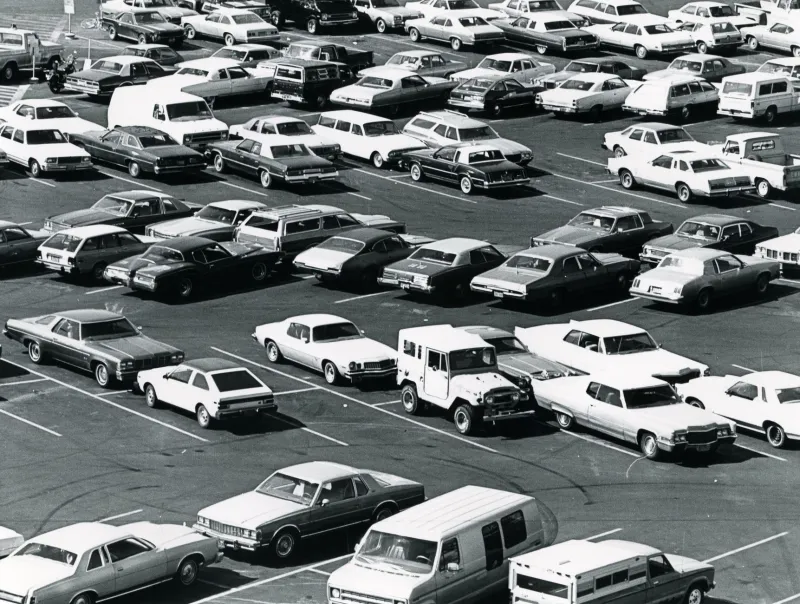
Ask your dad what he did on weekends in 1978, and there's a decent chance the answer involves a driveway, a creeper, and a carburetor that wouldn't cooperate. Back then, working on your own car wasn't just a hobby — it was practically a life skill, handed down from father to son the same way cooking or carpentry was. You didn't need a degree, a dealership, or a diagnostic computer. You needed time, patience, and a decent set of Craftsman tools.
That world is mostly gone now. And the story of how it disappeared tells you a lot about where automotive technology has taken us — and what it quietly cost along the way.
When the Engine Was Something You Could Actually See
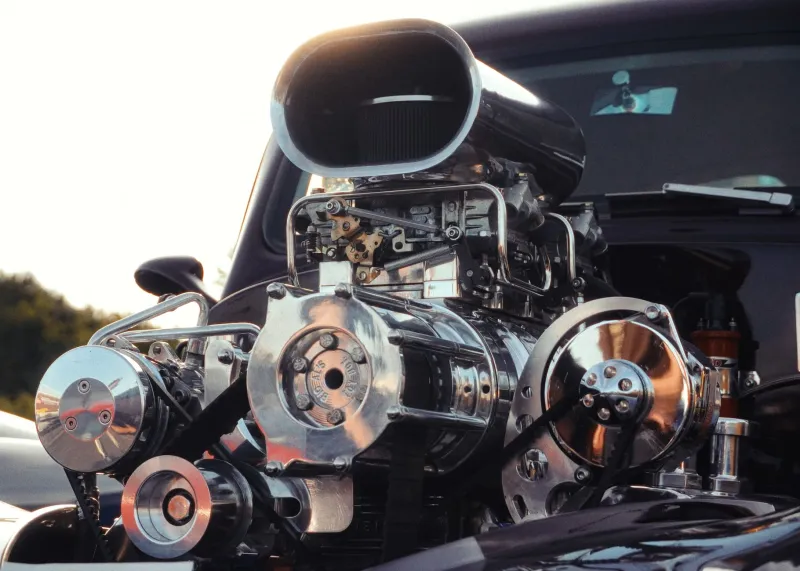
Pop the hood on a 1972 Chevrolet pickup and the engine looks like something you could understand in an afternoon. Big, blocky, and almost aggressively simple. The carburetor sits right on top. The distributor is right there. You can trace every belt, hose, and wire with your eyes and know, more or less, what each one does.
Backyard mechanics in the 1970s and '80s routinely rebuilt engines, replaced transmissions, swapped out brake systems, and tuned their own ignition timing — all without professional training. Chilton and Haynes manuals were the bibles of the driveway set, dog-eared and stained with oil, sitting on a shelf next to the WD-40 and the shop rags. A broken water pump wasn't a crisis. It was a Sunday project.
More importantly, getting it wrong wasn't catastrophic. If you installed the carburetor a little off, the car ran rough. You adjusted it. If the timing was slightly out, you heard it knock and you corrected it. The feedback loop between owner and machine was tight and forgiving.
What Changed — And Why
The shift didn't happen overnight. It crept in gradually, starting with the emissions regulations of the late 1970s that pushed manufacturers toward electronic fuel injection. Then came computerized engine management systems in the '80s. Then anti-lock brakes, airbag systems, and traction control in the '90s. Each improvement added a layer of complexity that slowly pushed the average owner out of the repair loop.
By the time the 2000s arrived, diagnosing a modern car without an OBD-II scanner was like trying to read a book through frosted glass. The check engine light would come on, and you'd have no idea whether it was a loose gas cap or a failing catalytic converter without plugging in a computer. Dealerships started charging diagnostic fees just to tell you what was wrong before they told you what it would cost to fix it.
Today, the situation has intensified dramatically. Modern vehicles run on dozens of interconnected electronic control units — think of them as miniature computers managing everything from throttle response to seat position memory. Replacing a headlight bulb on some newer models requires removing the front bumper. Certain brake jobs on luxury vehicles require dealer software to reset the electronic parking brake before the car will function normally. Even battery replacements on late-model vehicles sometimes require a dealer visit to "register" the new battery with the car's power management system.
This isn't engineering laziness. These systems exist because they genuinely make cars safer, more efficient, and more reliable. But the side effect is a machine that's increasingly opaque to the person who owns it.
The Right-to-Repair Fight Nobody's Talking About
The frustration reached a boiling point in recent years, sparking what's become known as the right-to-repair movement. Independent mechanics and car owners have pushed back against manufacturers who restrict access to the proprietary software and diagnostic tools needed to service modern vehicles — tools that often exist exclusively at franchised dealerships.
Massachusetts passed a landmark right-to-repair law in 2020, and the federal government has been slowly circling the issue. But progress is slow, and in the meantime, millions of car owners find themselves entirely dependent on dealerships for repairs that their grandfathers would have handled themselves before lunch.
The financial stakes are real. A dealership diagnostic visit alone can run $150–$200 before a single part is touched. Repairs that an independent shop might handle for $400 can balloon to $900 or more at a dealer, simply because the dealer controls the software access and the parts pipeline.
What We've Gained — And What We've Lost
Here's the honest part: modern cars are genuinely better in almost every measurable way. They're safer, cleaner, and more reliable than anything rolling off assembly lines in 1975. The average new vehicle today can run 200,000 miles with basic maintenance. Engines that used to need tune-ups every 12,000 miles now go 100,000 miles between spark plug changes. The complexity that locks owners out is the same complexity that makes the car startlingly dependable.
But something intangible has been lost. The backyard mechanic culture was never really just about saving money. It was about understanding the machine you depended on. About the satisfaction of diagnosing a problem, finding a solution, and getting your hands dirty in the process. It was a form of self-reliance that connected people to the objects in their lives in a way that clicking "schedule service" on an app simply doesn't replicate.
Your dad could fix his own car because the car let him. Today's car is smarter, safer, and more capable — but it's also a sealed system that politely asks you to stay on the outside.
Whether that trade-off was worth it probably depends on how much you miss the smell of motor oil on a Saturday morning.