Midnight Miles and Sleeping Kids: When American Families Conquered Distance in the Dark
The 9 PM Departure That Changed Everything
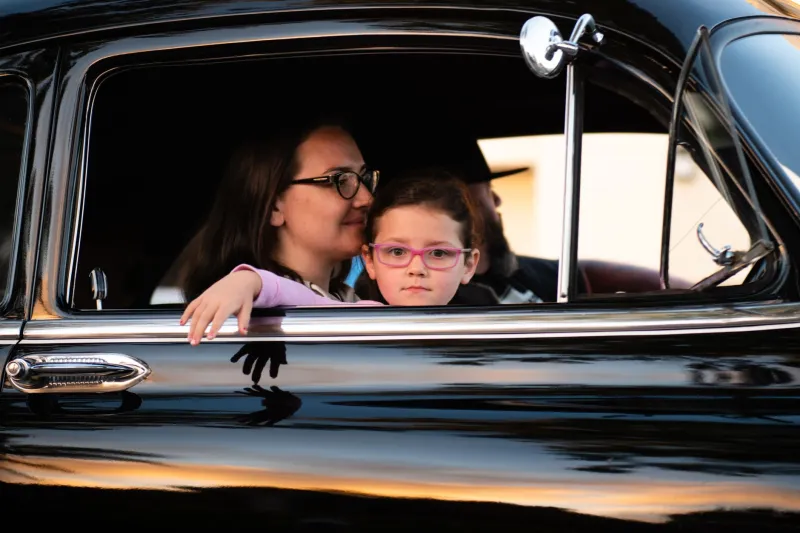
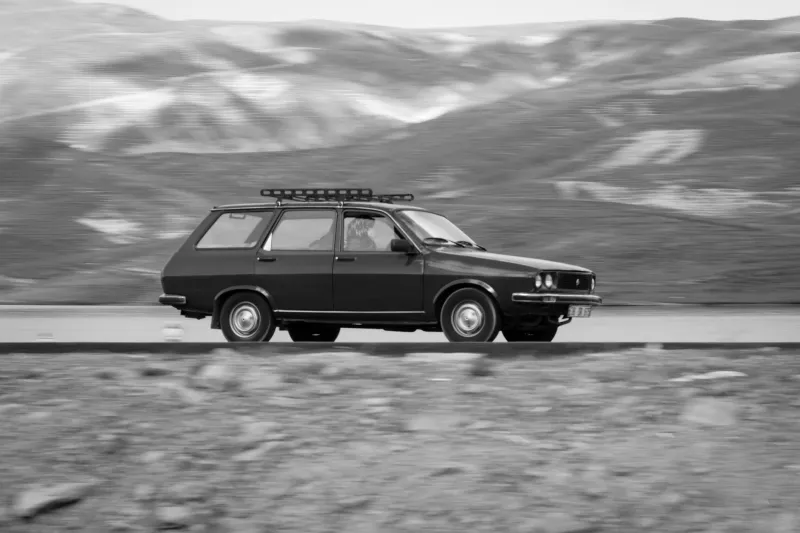
Every summer Friday in suburban America, a familiar ritual played out in driveways across the country. Dad would finish dinner, load the last suitcase into the wood-paneled station wagon, and announce to the family: "We're leaving in twenty minutes." By 9:30 PM, five people would be buckled into a car pointed toward destinations eight, ten, or twelve hours away, ready to drive through the night to reach a lake house, a national park, or grandparents in another state.
This wasn't considered unusual or unsafe—it was simply how families traveled. The overnight drive was a calculated strategy that turned long distances into manageable adventures, with sleeping children and empty highways making the miles disappear. Today's parents, accustomed to booking flights months in advance and optimizing every minute of travel time, might find this approach almost reckless. But for generations of Americans, the midnight departure was the most natural thing in the world.
When Highways Belonged to Truckers and Insomniacs
Driving Interstate 80 through Nebraska at 2 AM in 1978 meant joining a sparse but steady stream of long-haul truckers, fellow family road-trippers, and the occasional night-shift worker heading home. The highways were quieter, darker, and somehow more forgiving than today's constant flow of traffic. Rest stops were actual stopping places where families would stretch their legs, buy coffee from vending machines, and let kids run around parking lots under fluorescent lights.
The CB radio crackled with trucker conversations about weather conditions ahead, speed traps, and the best all-night diners. Families without CBs relied on AM radio stations that seemed to broadcast from another era, playing country music and taking call-ins from lonely night owls scattered across the American landscape. The darkness outside the windows created a cocoon effect that made the car feel like a small, moving world complete unto itself.
The Art of Highway Hypnosis and Coffee Calculations
The father behind the wheel—and it was almost always the father—developed a kind of supernatural endurance for these overnight marathons. Armed with a thermos of coffee, a pack of cigarettes, and an unshakeable confidence in his ability to "make good time," he'd settle into a rhythm that could sustain him for hundreds of miles. Highway hypnosis wasn't a dangerous condition to be avoided; it was an almost meditative state that experienced night drivers learned to embrace.
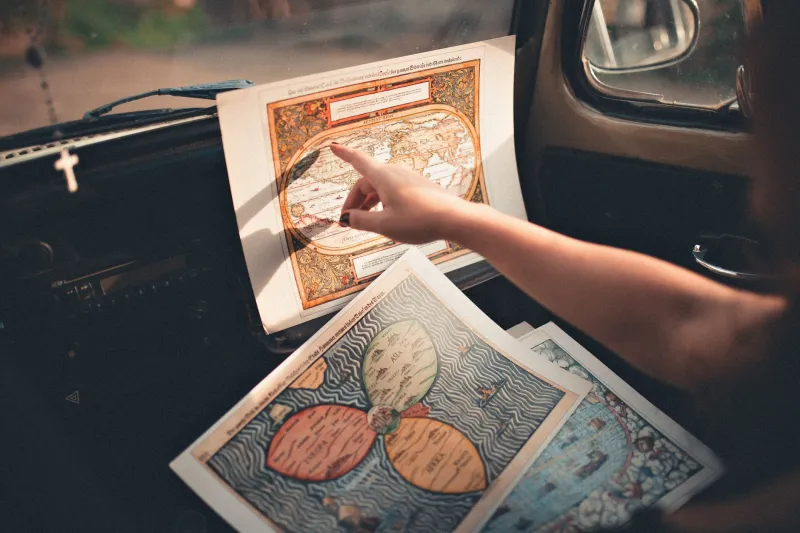
Mothers served as navigators, coffee refreshers, and guardians of the sleeping children in the back seat. They'd unfold paper maps under the dome light, trace routes with their fingers, and calculate arrival times based on current progress. "If we keep this pace, we'll be there by 6:30," became the reassuring refrain that kept everyone focused on the destination rather than the miles still ahead.
The Backseat Ecosystem of Sleeping Bodies
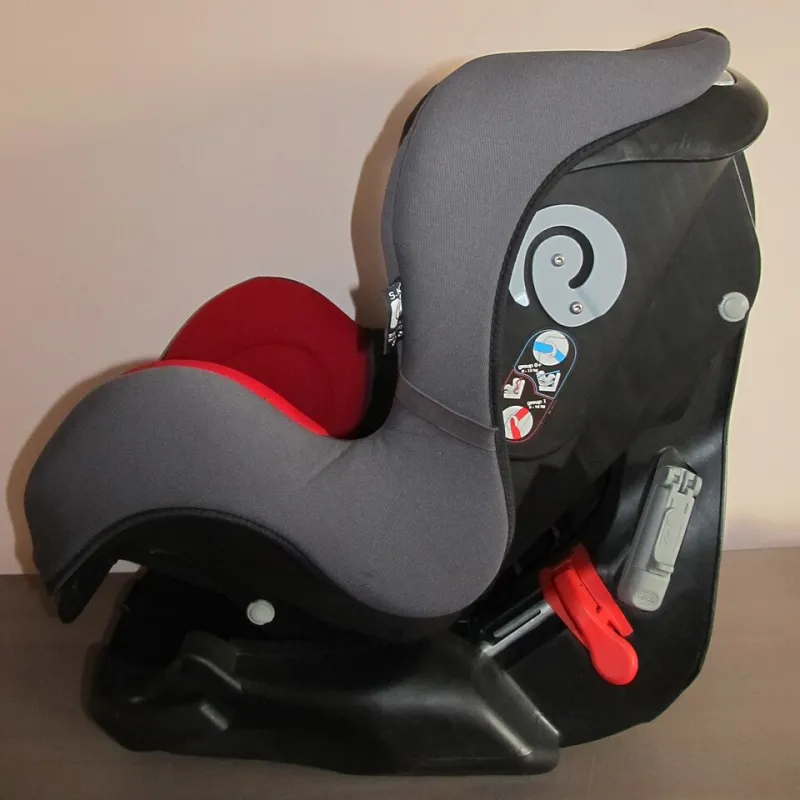
Before car seats and seat belt laws transformed the family vehicle, the backseat of a station wagon became a kind of mobile dormitory during overnight drives. Kids would create nests out of pillows and blankets, claim territory along the vinyl bench seats, and gradually arrange themselves into sleeping configurations that seemed to defy the laws of physics. Siblings who fought constantly during daylight hours would unconsciously cooperate in sleep, sharing space and warmth in ways that made the long journey possible.
The way-back area of the wagon, behind the rear seat, often became the premium sleeping real estate—a carpeted cave where the youngest family member could stretch out completely while being gently rocked to sleep by the highway's rhythm. Parents would check the rearview mirror periodically to see a tangle of small bodies, satisfied that the miles were passing painlessly for everyone except the driver.
When Rest Stops Were Destinations Themselves
Today's highway rest areas are sterile, security-conscious facilities designed for quick stops and efficient departures. But the rest stops of the overnight driving era were genuine gathering places where families from different states would intersect briefly in the shared experience of long-distance travel. Picnic tables hosted impromptu breakfasts of packed sandwiches and juice boxes, while parents compared notes about road conditions, weather, and the best routes to various destinations.
These stops provided crucial breaks in the hypnotic rhythm of night driving. Kids would stumble out of cars in their pajamas, half-awake but excited by the novelty of being in a new place in the middle of the night. The combination of fluorescent lights, vending machine snacks, and the vast darkness beyond the rest area created a surreal atmosphere that felt both temporary and magical.
The Dawn Arrival and Victory Lap
Pulling into the destination driveway as the sun came up represented a kind of triumph that modern travelers rarely experience. The family had conquered distance through pure endurance, arriving fresh to a new place while the local residents were just waking up. There was something deeply satisfying about having traveled hundreds of miles while most of America slept, like being part of a secret society of distance conquerors.
Children would wake up in an entirely different landscape than where they'd fallen asleep, adding to the magical quality of the overnight journey. The car would be unpacked quickly, and within an hour, the family would be swimming in a lake or hiking a trail, the long drive already becoming a shared memory rather than a recent ordeal.
Why We Stopped Driving Through the Night
The death of the overnight family road trip can't be blamed on any single factor, but the rise of budget airlines certainly played a role. When flying to distant destinations became affordable and convenient, the eight-hour drive started feeling like wasted time rather than part of the adventure. Modern safety consciousness also made parents more aware of the risks involved in drowsy driving, while the proliferation of entertainment options made children less willing to sleep through long car rides.
Perhaps most importantly, our relationship with time itself has changed. The idea of spending an entire night getting somewhere feels inefficient in a culture obsessed with productivity and optimization. We've gained convenience and safety, but we've lost something harder to quantify—the shared experience of conquering distance together, the satisfaction of arriving under our own power, and the particular kind of family bonding that only happens in a car moving through the darkness toward a distant destination.