The Salesman at Your Kitchen Table: When Car Dealers Made House Calls Across America
The Knock That Changed Everything
On a Tuesday evening in 1953, Margaret Walsh was washing dinner dishes in her farmhouse outside Topeka when she heard an unfamiliar car pull into the gravel driveway. Through the kitchen window, she watched a well-dressed man in a pressed suit emerge from a gleaming Buick, carrying a leather portfolio and wearing the confident smile of someone with something important to sell.
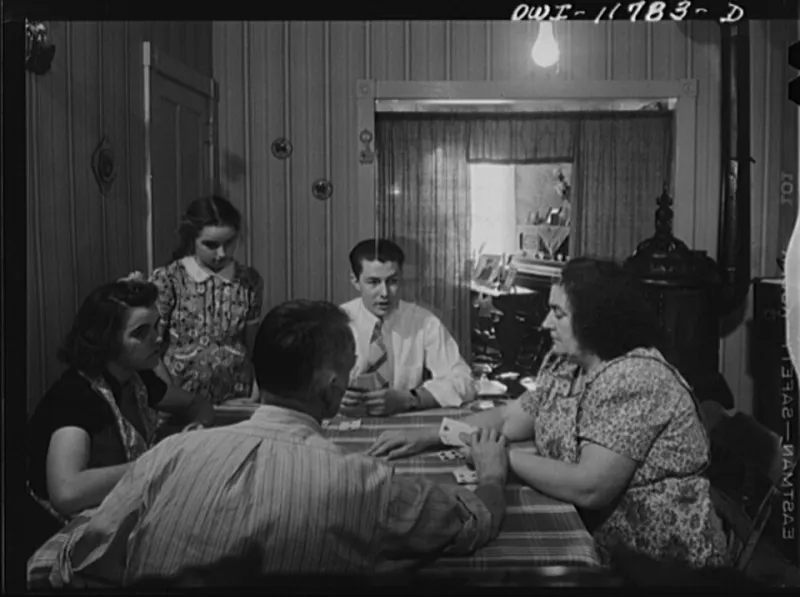
Twenty minutes later, Margaret and her husband Frank were sitting at their kitchen table, examining glossy photographs of the latest Chevrolet models while a traveling car salesman named Robert Chen explained financing options and trade-in values for their aging Ford pickup.
This scene played out thousands of times across America during the 1940s, 50s, and 60s, when automotive salesmen routinely traveled hundreds of miles to bring car lots directly to customers' doorsteps.
The Roads Less Traveled
Long before the internet transformed car buying into a point-and-click transaction, and decades before massive suburban dealerships lined every major highway, automotive sales operated on a fundamentally different model: if customers couldn't come to the cars, the cars would come to them.
Traveling car salesmen, representing both major manufacturers and independent dealers, crisscrossed America in company vehicles loaded with photo albums, specification sheets, financing paperwork, and an intimate knowledge of their territory that would make modern GPS systems seem primitive.
These automotive ambassadors knew their routes like circuit-riding preachers knew their congregations. They understood which farmers needed pickup trucks for harvest season, which factory workers had just received raises, and which families were outgrowing their current vehicles as children reached driving age.
The Art of Kitchen Table Commerce
Unlike today's sterile showroom experiences, car sales in the mobile era happened in living rooms, on front porches, and around kitchen tables where families made their most important financial decisions. The salesman wasn't just selling transportation—he was becoming temporarily part of the household, sharing coffee and conversation while understanding the family's unique needs and circumstances.
This intimate setting created a completely different dynamic than modern automotive retail. Children would crowd around to see pictures of shiny new cars. Grandparents would offer opinions about reliability and value. Neighbors might stop by to examine the salesman's demonstration vehicle and ask questions about similar models.
The sales process could stretch across multiple visits, sometimes spanning weeks or months as families carefully considered their options. Salesmen would return with additional information, updated pricing, or news about special financing programs, gradually building relationships that often lasted for decades.
The Traveling Showroom
A successful mobile car salesman's vehicle was a carefully organized office on wheels. The trunk contained photo albums showcasing every available model, color option, and accessory package. Briefcases held financing forms for multiple lending institutions, trade-in evaluation guides, and detailed specification sheets that customers could keep and study.
Many salesmen also carried fabric samples for interior options, paint chips for exterior colors, and even small mechanical components that demonstrated new features like automatic transmissions or power steering. The goal was to make the absent vehicle as real and tangible as possible through these carefully curated materials.
Demonstration drives required careful choreography. The salesman might arrange to have a specific model available at a nearby dealer for test driving, or schedule return visits when demo vehicles would be available. Some enterprising salesmen partnered with local dealers to coordinate vehicle availability with their mobile sales routes.
The Economics of Everywhere
Mobile car sales flourished because it solved real economic and geographic challenges that defined mid-century America. Rural customers often lived hours from the nearest dealership, making car shopping a significant time investment that many working families couldn't afford. Factory workers with rigid schedules appreciated salesmen who would visit during evening hours or weekends.
The system also served dealerships' economic interests. Rather than maintaining expensive showroom space and hoping customers would visit, mobile sales allowed dealers to actively pursue customers across wide geographic territories. A single traveling salesman could effectively serve customers across several counties, dramatically expanding a dealer's market reach.
Financing was often more flexible in the mobile era. Salesmen carried paperwork for multiple lenders and could often arrange terms based on local knowledge of customers' employment, reputation, and circumstances. The personal relationship between salesman and customer created trust that simplified financial arrangements.
The Relationship Business
What distinguished mobile car sales from modern automotive retail was the emphasis on long-term relationships over individual transactions. Successful traveling salesmen built customer bases that spanned generations, selling cars to parents, then later to their children, and eventually to grandchildren.
These relationships were maintained through regular contact that went far beyond sales. Salesmen would check in on previous customers, offer advice about maintenance issues, and provide information about recalls or service campaigns. They often became informal automotive consultants for entire communities, advising on everything from tire choices to mechanic recommendations.
The personal nature of these relationships created customer loyalty that modern dealers struggle to replicate. Families would wait for "their" salesman to visit rather than shopping elsewhere, even if it meant delayed purchases or higher prices.
The Beginning of the End
Several factors converged during the 1960s and 70s to end the era of mobile car sales. Suburban expansion brought dealerships closer to customers, reducing the geographic necessity for traveling salesmen. Interstate highway construction made dealership visits more convenient for rural customers.
Increasing automotive complexity also made mobile sales more challenging. As cars became more sophisticated, customers wanted to see and drive vehicles before purchasing, rather than relying on photographs and descriptions. Warranty and service considerations became more important, favoring established dealership relationships over mobile sales.
Changing consumer expectations played a role too. The rise of consumer advocacy and increased awareness of automotive pricing made customers more skeptical of sales presentations that couldn't be immediately verified through comparison shopping.
The Digital Revolution
Today's automotive sales process bears virtually no resemblance to the kitchen-table commerce of the mobile era. Online research, transparent pricing, and inventory searches have eliminated much of the information asymmetry that made traveling salesmen valuable intermediaries.
Modern customers often arrive at dealerships knowing exactly what they want, having researched specifications, compared prices, and even arranged financing online. The salesman's role has shifted from educator and relationship-builder to order-taker and paperwork facilitator.
While efficiency has improved dramatically, something fundamental was lost in the transition. The personal relationships that defined mobile car sales created trust and loyalty that benefited both customers and dealers. Families developed automotive preferences based on positive experiences with individual salesmen, creating brand loyalty that lasted for generations.
Echoes in Modern Markets
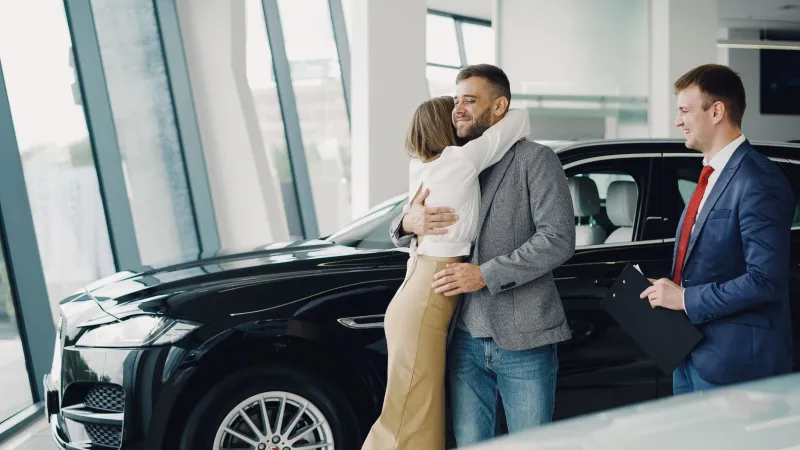
Interestingly, some elements of mobile car sales have reemerged in contemporary automotive retail. Services like Carvana and Vroom deliver vehicles directly to customers' homes, echoing the convenience that traveling salesmen once provided. However, these modern services emphasize efficiency and standardization rather than the relationship-building that characterized their historical predecessors.
Some luxury brands have also revived elements of mobile sales, sending representatives to customers' homes or offices for consultations and vehicle delivery. But these services typically supplement rather than replace traditional dealership experiences.
The Last Mile
The era of traveling car salesmen represents a fascinating chapter in American automotive history—a time when personal relationships drove commerce, when salesmen were community fixtures rather than anonymous transaction facilitators, and when buying a car was an event that brought families together around kitchen tables to make decisions that would affect their lives for years to come.
While modern automotive retail is undoubtedly more efficient, transparent, and convenient, it lacks the human connection that made mobile car sales memorable. The traveling salesman who knew your family's history, understood your financial situation, and took personal responsibility for your satisfaction represented a model of customer service that today's automotive industry struggles to replicate.
Perhaps most importantly, mobile car sales reflected a different understanding of commerce itself—one that prioritized relationships over transactions, trust over efficiency, and community connection over corporate profit margins. In our rush toward digital convenience, we've gained much in terms of speed and transparency, but we've also lost something irreplaceable about what it meant to buy a car when the salesman knew your name and your kitchen table was his showroom.