Stranded and Proud: The Forgotten Era When Americans Fixed Their Own Cars on the Side of the Road
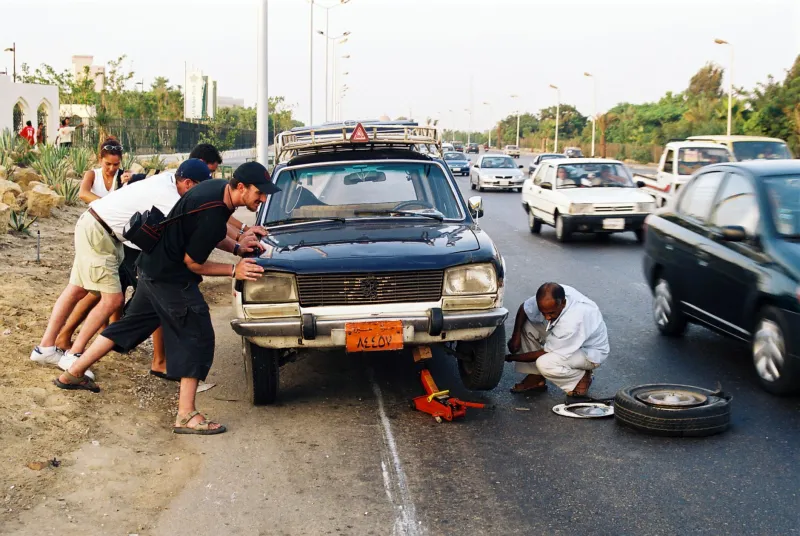
Picture a Sunday afternoon in 1963. A family of four is cruising down a two-lane blacktop somewhere in rural Ohio. The kids are in the back seat. The radio is playing. Then — that familiar thud and wobble. A flat tire.
Dad doesn't panic. He pulls onto the gravel shoulder, pops the trunk, and gets to work. Within 45 minutes, the spare is on, the jack is stowed, and the family is back on the road. The kids have watched the whole thing. The lesson has been absorbed.
Fast forward to today. A driver hits a pothole on the interstate, feels that same sickening lurch, and immediately reaches for their phone. Not the trunk.
Something fundamental changed between those two moments — and it's worth understanding exactly what we lost.
The Roadside Toolkit Was a Point of Pride
For most of the 20th century, American drivers treated their cars the way farmers treated their land: as something you were personally responsible for maintaining. The trunk of a typical 1950s or 1960s family car wasn't just a luggage compartment. It was a mobile workshop.
A full-size spare was standard equipment, obviously. But alongside it, you'd often find a hand pump, a patch kit for tube-style tires, a set of basic wrenches, jumper cables, a flashlight, a can of fix-a-flat, and sometimes a spare fan belt. Serious road-trippers packed even more. The idea wasn't paranoia — it was just common sense.
Mechanics were expensive and often hours away on rural routes. If you broke down, you either fixed it yourself or you waited a very long time for help. That reality shaped a generation of drivers who genuinely understood the machines they were operating.
Knowing how to change a tire wasn't a special skill. It was table stakes. Teenage boys learned it from their fathers. Teenage girls learned it too, in many households. Driver's education classes sometimes included hands-on mechanical basics. The expectation was clear: if you drive, you know how to handle yourself out there.
The Infrastructure of Self-Reliance
The roadside culture of the mid-20th century wasn't just about individual competence. There was an entire ecosystem built around the idea that drivers would handle minor problems themselves.
Gas stations in the 1950s and 1960s were full-service operations. An attendant would pump your gas, check your oil, and inspect your tires. If something looked worn or low, they'd tell you — and they'd often fix it right there. Tire repair was a routine service at almost every filling station in America. A slow leak could be patched for a dollar or two while you waited.
Auto parts stores were community institutions. The guy behind the counter knew what a 1957 Chevy 210 needed and could walk you through a repair over the phone if necessary. There was an assumption that the customer was capable and just needed the right part.
This whole ecosystem reinforced driver competence. Every interaction with a gas station, every roadside repair, every conversation with a parts store employee added to the average driver's working knowledge of their vehicle.
When the Phone Became the Fix
The shift started gradually. Tubeless tires arrived in the mid-1950s and eliminated the need for patch kits on most passenger cars. Radial tires became more reliable through the 1970s. Flat tires became less frequent, which meant fewer drivers got practice dealing with them.
Then came the 1980s and 1990s, and with them, the explosion of roadside assistance programs. AAA had existed since 1902, but membership surged as the service became more comprehensive and more convenient. Insurance companies began bundling roadside assistance into policies. Cell phones made calling for help easy. Within a decade, the calculus had completely changed.
Why spend 40 minutes on a hot shoulder changing a tire when you could make one call and have a truck there in an hour? The logical answer was obvious. But the cultural consequence was invisible — until it wasn't.
A Generation That Never Learned
By the 2000s, a significant portion of American drivers had never changed a tire. Not because they were incapable, but because they'd never needed to. The opportunity simply hadn't come up, and nobody had taught them proactively.
This created a strange new vulnerability. Modern drivers are extraordinarily competent at navigating complex traffic, managing infotainment systems, and parallel parking in tight spaces. But strand them on a rural road with a flat tire and a dead phone battery, and many of them are genuinely helpless.
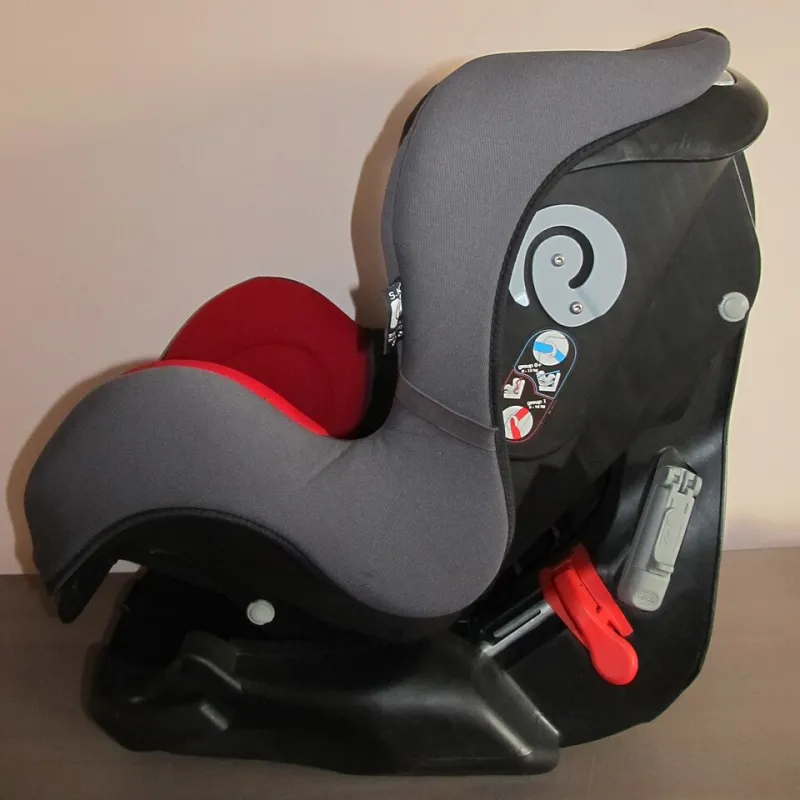
The irony runs deeper than that. Many modern vehicles don't even carry a full-size spare anymore. Run-flat tires, compact "donut" spares, and tire inflation kits have replaced the real thing in millions of new cars. The manufacturers made the decision that roadside assistance would handle it. The driver's role was quietly redefined as "call for help."
What Got Lost Along the Way
This isn't really a story about tires. It's a story about the relationship between Americans and the machines that move them.
There's something that gets lost when competence is outsourced. The driver who once changed their own tire understood, in a very tactile way, how their car worked. They knew what a wheel hub looked like. They knew how much a spare weighed. They'd felt the torque on a lug nut. That physical knowledge created a different kind of connection — and a different kind of confidence.
Modern drivers are passengers in a more complete sense than their grandparents ever were. The car handles more. The phone handles the rest. The human in the seat handles very little.
None of this is irreversible. The knowledge still exists. The skills can still be taught. Some parents still walk their teenagers through a tire change in the driveway before handing over the keys. Some driving schools still cover basic roadside emergencies. But these are exceptions now, not the rule.
The open road hasn't changed much. The people driving it have changed enormously. And somewhere between a 1963 Ohio highway and a modern interstate rest stop, a whole generation of practical confidence quietly disappeared.