When Your Local Banker Knew Your Name and Your Car Payment: The Death of Simple Auto Loans

The Corner Bank Where Everyone Knew Your Name
In 1973, buying a car meant walking into First National Bank on Tuesday morning and sitting across from Mr. Henderson, the loan officer who'd known your family for decades. You'd shake hands, discuss the '74 Chevelle you'd spotted on the lot, and walk out thirty minutes later with a loan approval and a payment book. The entire transaction felt more like a neighborhood favor than a financial product.
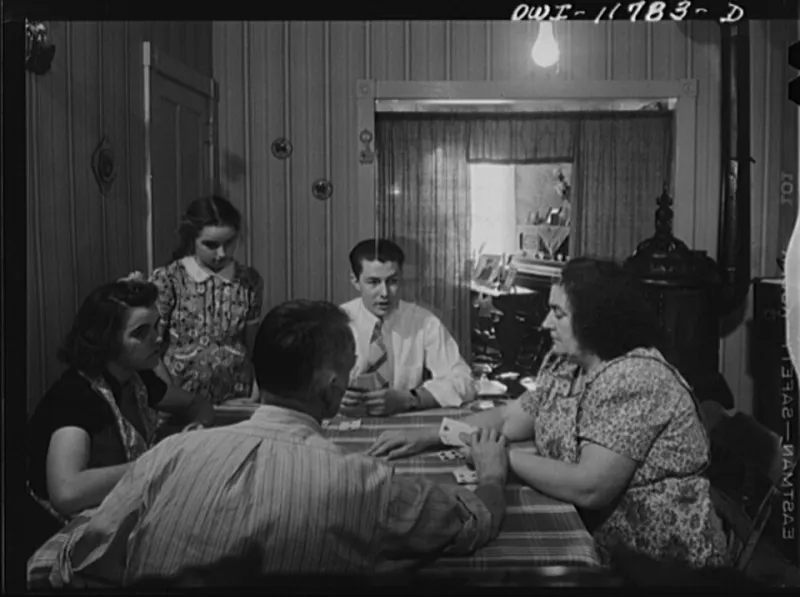
 Photo: Mr. Henderson, via static.wikia.nocookie.net
 Photo: First National Bank, via img-s-msn-com.akamaized.net
Those loans were refreshingly simple: borrow $3,500, pay it back over 24 months at 8% interest. Your monthly payment was $165, and everyone understood exactly what that meant. No balloon payments, no dealer markups, no extended warranties buried in the fine print. The bank made money on the interest, you got your car, and the relationship stayed clean.
When Debt Was Something You Rushed to Escape
Americans in the 1960s and 70s approached car loans with an almost urgent desire to pay them off. Owing money on a depreciating asset felt uncomfortable, like wearing clothes that didn't fit. Most people made extra payments when they could, and celebrating the final payment was a genuine milestone. The goal wasn't to minimize monthly payments—it was to eliminate them entirely.
Compare that mindset to today's approach, where 84-month loans have become standard and many buyers focus exclusively on monthly affordability. We've normalized owing $35,000 on a vehicle worth $22,000, treating negative equity like an unfortunate fact of life rather than a financial emergency.
The Dealer's New Role as Financial Middleman
Back then, car dealers sold cars. Banks made loans. The roles were clearly defined, and customers understood who was making money from what. If you needed financing, the dealer might suggest a local bank or credit union, but they weren't taking a cut of your interest rate. The transaction stayed transparent.
Today's dealership finance office has become a profit center that sometimes generates more revenue than selling cars. Dealers routinely mark up interest rates by 2-3 percentage points above what banks actually approve, pocketing the difference without disclosing it to customers. What used to be a straightforward loan has become a complex financial product with multiple parties taking their share.
When Loan Terms Made Sense
The standard car loan in 1975 lasted two years, maybe three if you were buying something expensive. This timeframe aligned with reality: most people kept their cars for five to seven years, so they'd own them outright for the majority of that period. The loan term was shorter than the vehicle's useful life, which meant you built equity instead of constantly owing money.
Today's 72 and 84-month loans flip this logic entirely. You're still making payments when the car needs major repairs, still paying for something that's already lost most of its value. The monthly payment might fit your budget, but the total cost has exploded. That $35,000 car becomes a $45,000 car when you factor in seven years of interest.
The Digital Maze of Modern Auto Finance
Modern car financing has become a labyrinth of options designed to obscure the true cost. Lease-to-own programs, balloon payments, extended warranties, gap insurance, and payment protection plans turn a simple transaction into a decision tree with dozens of branches. Online calculators let you adjust loan terms and down payments until you find a monthly payment that works, but they rarely show you the total amount you'll actually pay.
The apps and websites make it feel convenient and modern, but they've also made it nearly impossible to understand what you're actually agreeing to. The old payment book with its clear monthly amount and final payment date has been replaced by digital statements that bury the important details in dense paragraphs of legal text.
What We Lost When Banking Became Anonymous
That relationship with Mr. Henderson at the local bank represented something more than just convenient lending. It was accountability on both sides. The bank had a reputation in the community to maintain, and borrowers felt a personal responsibility to honor their commitments. When things went wrong, you could walk back into that same office and work out a solution with someone who understood your situation.
Today's auto loans are originated by dealers, sold to finance companies, and serviced by call centers in different states. When you need help, you're talking to someone reading from a script who has no authority to make decisions and no investment in your community. The human element that once made borrowing feel manageable has been systematized out of existence.
The Price of Convenience
Modern auto financing promises convenience—apply online, get instant approval, drive home the same day. But that convenience comes with a hidden cost that goes beyond interest rates and fees. We've traded the simplicity and transparency of traditional banking for a system that maximizes profit at every step while making it increasingly difficult to understand what we're actually paying for.
The next time you're sitting in a dealer's finance office, remember Mr. Henderson and his handshake loans. Sometimes the old way of doing things wasn't just simpler—it was better.